
Getting access to flexible business funding can make a major difference when cash flow gets tight. But before applying, it is important to understand the business line of credit requirements lenders may use to evaluate your company.
A business line of credit gives you access to a predetermined amount of money that you can draw from when needed, repay, and potentially use again. Unlike a traditional term loan, you do not necessarily receive the entire amount upfront.
The challenge is that there is no single set of requirements that every lender follows. Banks, credit unions, online lenders, and government-backed programs can look at different factors, including your personal credit, business credit, revenue, time in business, cash flow, and documentation.
What Are the Business Line of Credit Requirements?
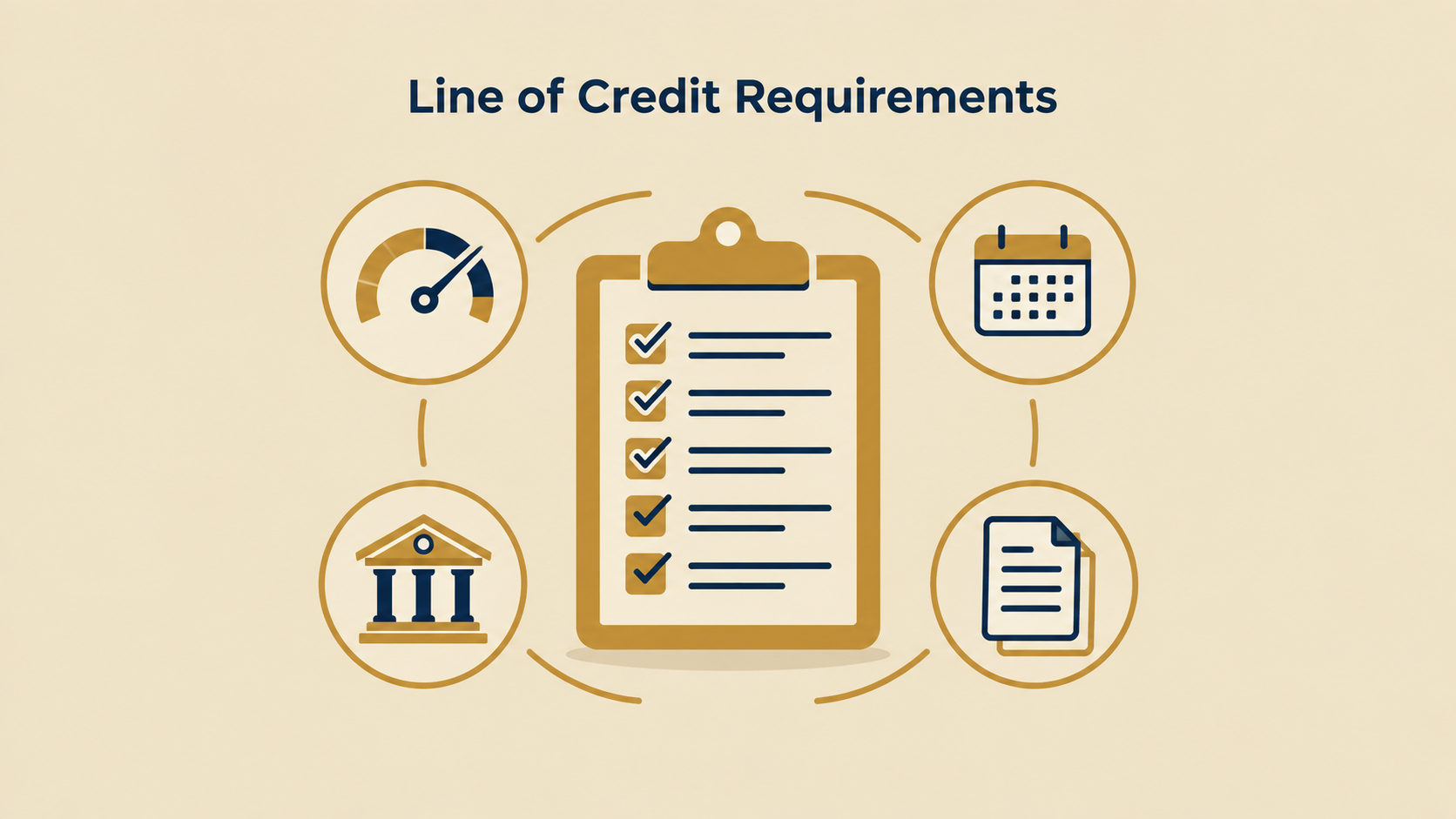
Most lenders evaluate several core areas before approving a business line of credit:
| Requirement | What Lenders May Review |
|---|---|
| Personal credit | Personal FICO score and credit history |
| Business credit | Commercial credit reports and payment history |
| Revenue | Annual revenue and monthly deposits |
| Time in business | Length of operating history |
| Cash flow | Ability to handle repayments |
| Debt | Existing loans and obligations |
| Documentation | Bank statements, tax returns and business records |
| Business structure | Entity, ownership and registration |
There is no universal minimum for these requirements. For example, Experian notes that lenders may consider both personal and business credit, particularly when a business is new or has limited commercial credit history.
That means getting declined by one lender does not automatically mean your business cannot qualify elsewhere.
Key Business Line of Credit Requirements in 2026
1. Personal Credit Score
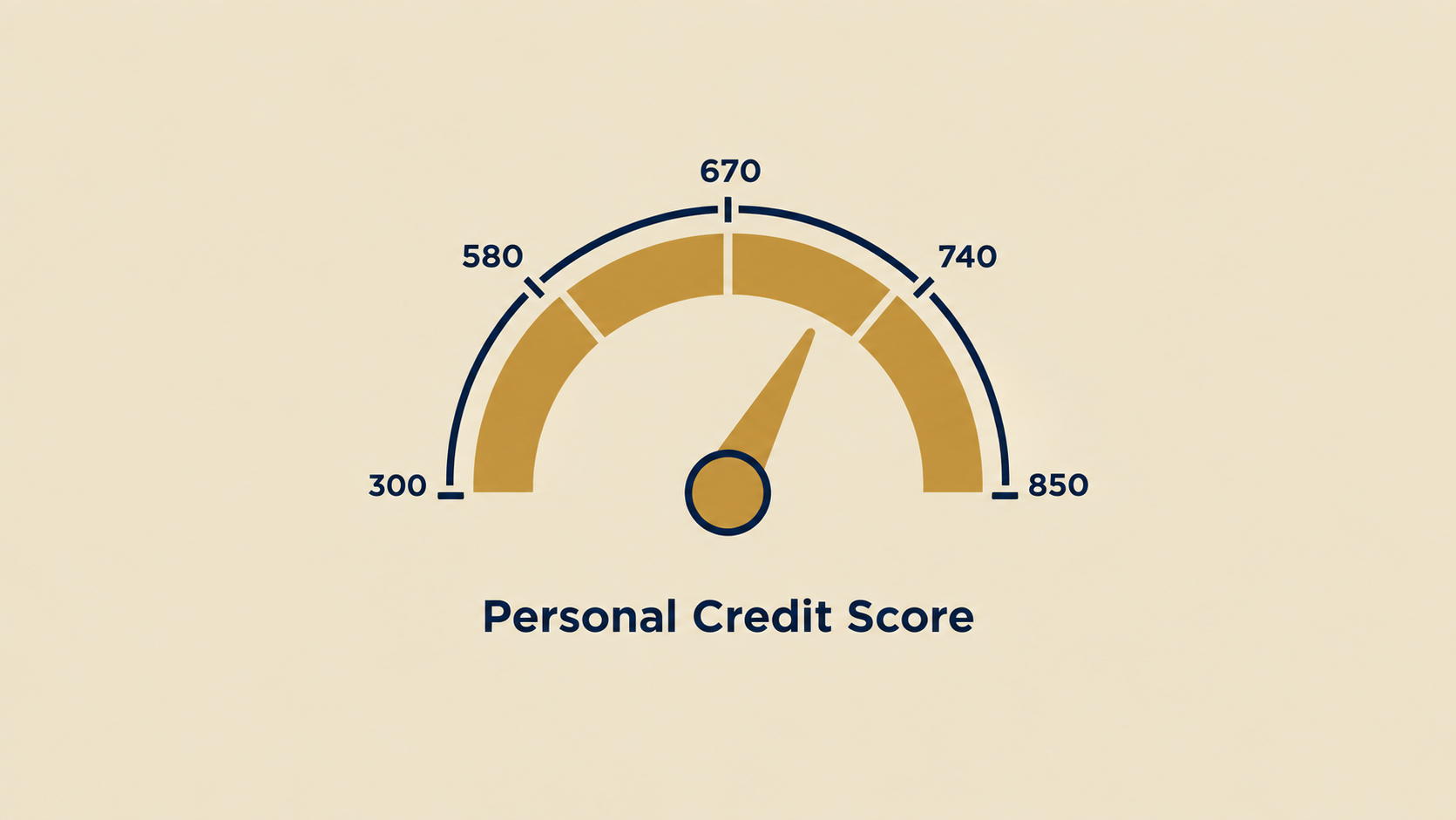
Your personal credit score can be an important part of the application, especially if your company is new or does not yet have a strong business credit history.
Some lenders may accept applicants with personal scores in the 500s or 600s, while traditional lenders may look for stronger credit. Current lender guides show that minimums vary significantly by product and lender.
A stronger personal credit profile can also help demonstrate responsible financial behavior.
However, your credit score is only one part of the decision. A strong score cannot replace insufficient revenue, poor cash flow, or an unstable business profile.
2. Business Credit History
Business credit can become especially important when you are looking for larger financing options.
Commercial credit reports can contain information about payment history, accounts, credit limits and other business obligations. Experian identifies Dun & Bradstreet, Experian Business and Equifax as major sources of commercial credit information, with different scoring models used to assess business risk.
If your business credit file is thin or empty, a lender may have less information available when evaluating your company.
This is why building business credit before applying can be valuable. You can learn more about how commercial credit works in the Business Credit Bureaus Explained guide.
3. Revenue and Cash Flow
Revenue is another major factor in business line of credit requirements.
Lenders want evidence that your company generates enough cash to support repayments. They may review annual revenue, monthly deposits, account balances, and the consistency of your cash flow.
There is no universal revenue threshold. Some online lenders accept smaller businesses, while traditional lenders may have significantly higher requirements. Bankrate notes that lenders commonly consider revenue and cash flow when determining eligibility and repayment capacity.
A business showing consistent deposits every month can present a different risk profile from one with highly unpredictable income, even if both businesses report similar annual revenue.
4. Time in Business
How long your company has been operating can also affect eligibility.
Many lenders prefer businesses with an established operating history because it gives them more financial information to evaluate. Some online lenders may consider businesses with six months of operating history, while traditional lenders can require longer histories.
This creates a common problem for newer businesses: you need funding to grow, but the lender wants evidence that your business has already been operating successfully.
For businesses struggling with time-in-business requirements, Tradeline Associates also provides information about startup financing and funding options.
5. Business Bank Account and Financial Records
Your business bank account gives lenders a practical view of how money moves through the company.
Depending on the lender, you may be asked for recent business bank statements, profit and loss statements, tax returns, or other financial records.
Bankrate lists business and personal bank statements, business licenses, incorporation documents, and profit-and-loss information among documents lenders may request.
Before applying, make sure your records are accurate and consistent. Unexplained deposits, frequent overdrafts, or financial information that does not match your application can create additional questions during underwriting.
How Much Credit Score Do You Need for a Business Line of Credit?
There is no single credit score that guarantees approval.
Current lender guidance shows that some products may accept personal credit scores around the 600 range, while other lenders require stronger scores. Experian states that different lenders have different minimum standards and that personal credit may be especially relevant for newer businesses.
| Applicant profile | What may happen |
|---|---|
| Strong personal + business credit | More financing options may be available |
| Strong personal, limited business credit | Some lenders may still consider the application |
| Moderate credit + strong revenue | Alternative lending options may exist |
| Weak credit + limited revenue | Approval may be more difficult |
| New business + no credit history | More preparation may be needed |
These are general scenarios, not guarantees. Every lender has its own underwriting criteria.
What Documents Do You Need?
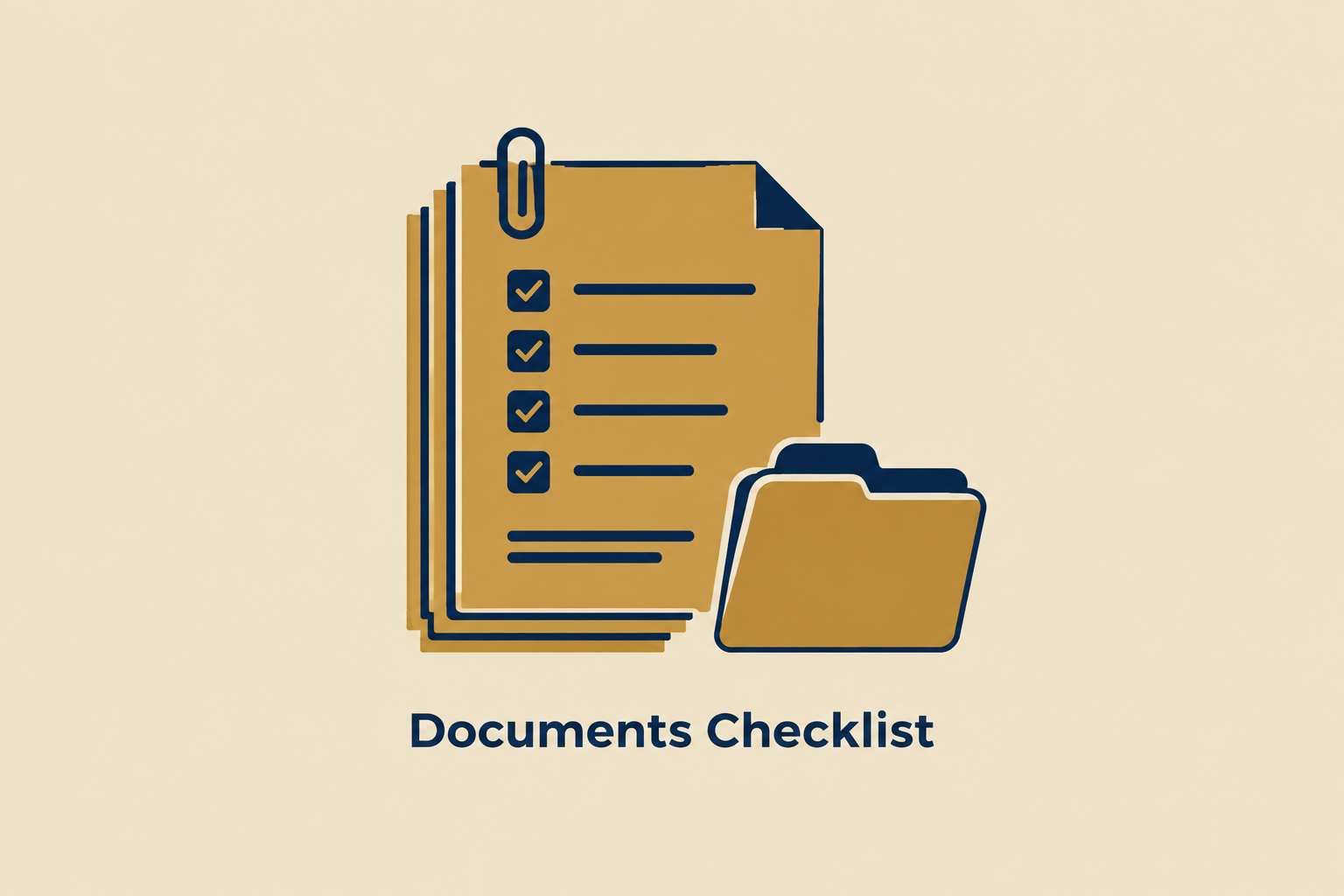
Preparing documentation before applying can make the process smoother.
Common documents associated with business line of credit requirements include:
- Recent business bank statements showing regular activity.
- Business tax returns or financial statements, depending on the lender and requested amount.
- Business formation documents, licenses, ownership information, and identification.
Some lenders may also request a business plan, details about existing debt, accounts receivable information, or permission to connect a business bank account.
The exact checklist depends on the lender, product, business age, and requested credit limit.
Secured vs. Unsecured Business Lines of Credit
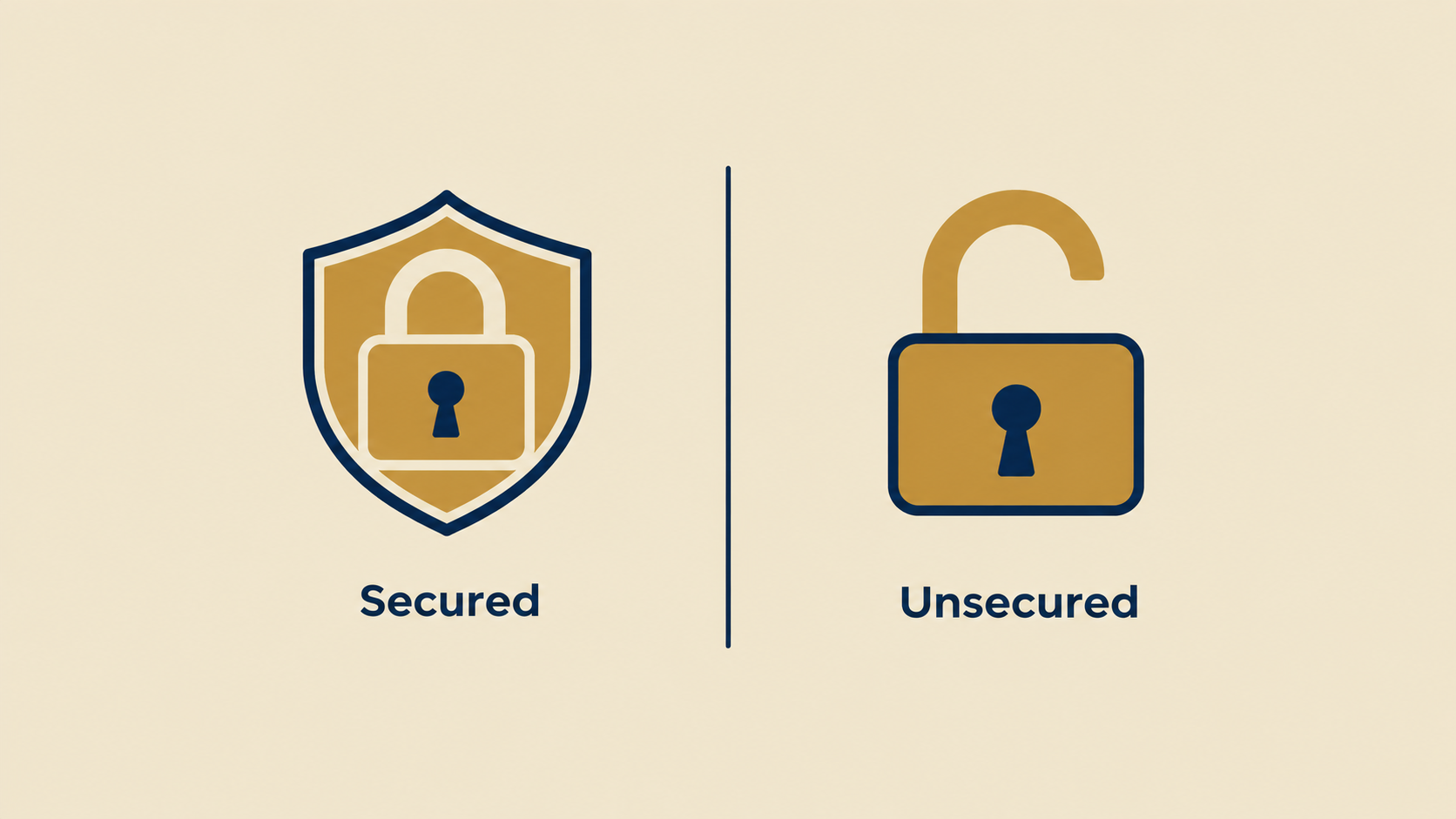
Another important part of business line of credit requirements is whether the credit line is secured or unsecured.
Secured Line of Credit
A secured line is backed by collateral. Depending on the product, collateral could include business assets, accounts receivable, inventory, cash, or other eligible assets.
Because the lender has additional security, secured financing may have different qualification requirements.
Unsecured Line of Credit
An unsecured line does not require specific collateral in the same way. Instead, the lender may rely more heavily on credit history, revenue, cash flow, and other indicators of repayment ability.
Unsecured does not mean risk-free. Lenders can still require a personal guarantee or evaluate the owner’s personal credit.
How to Meet Business Line of Credit Requirements Before Applying
If you are planning to apply soon, do not rush directly into an application.
Step 1: Check Your Credit Profiles
Review both your personal credit and available business credit information. Look for inaccurate information, outstanding obligations, or gaps in your commercial credit history.
Step 2: Review Your Cash Flow
Look at your recent business bank statements and identify whether revenue and deposits are reasonably consistent.
A lender is interested not only in what your business earns but also in whether the business can realistically handle another financial obligation.
Step 3: Organize Your Documents
Prepare your financial records, business formation documents, bank statements, identification, and other information the lender may request.
Having everything ready can reduce delays and help you answer underwriting questions accurately.
Step 4: Identify the Right Funding Product
A line of credit is not automatically the right solution for every business.
If you need a one-time lump sum for a specific project, a term loan may be more appropriate. If your main problem is recurring cash flow, a line of credit may provide more flexibility.
Tradeline Associates explains several working-capital options, including short-term business loans, lines of credit, and merchant cash advances, on its Working Capital Loans page.
Step 5: Strengthen Your Business Credit Profile
If your commercial credit profile is thin, consider addressing that before submitting multiple applications.
Tradeline Associates provides business tradeline services designed to help businesses build their commercial credit profile. The company also states that funding approval is ultimately determined by lenders, not guaranteed by tradeline placement.
This distinction matters. Credit preparation can improve your funding position, but it cannot guarantee approval.
What If Your Business Line of Credit Application Is Denied?
A denial can feel frustrating, especially when you believe your business is financially healthy.
But a denial is not always the end of the process.
The first step is to understand why the application was declined. Possible issues can include insufficient time in business, limited credit history, insufficient revenue, high existing debt, cash-flow concerns, or documentation problems.
Tradeline Associates also covers funding denials and business credibility in its business funding blog.
Instead of immediately submitting several more applications, identify the specific weakness and address it first. Multiple applications without fixing the underlying problem can make the process more difficult.
Business Line of Credit vs. Business Loan
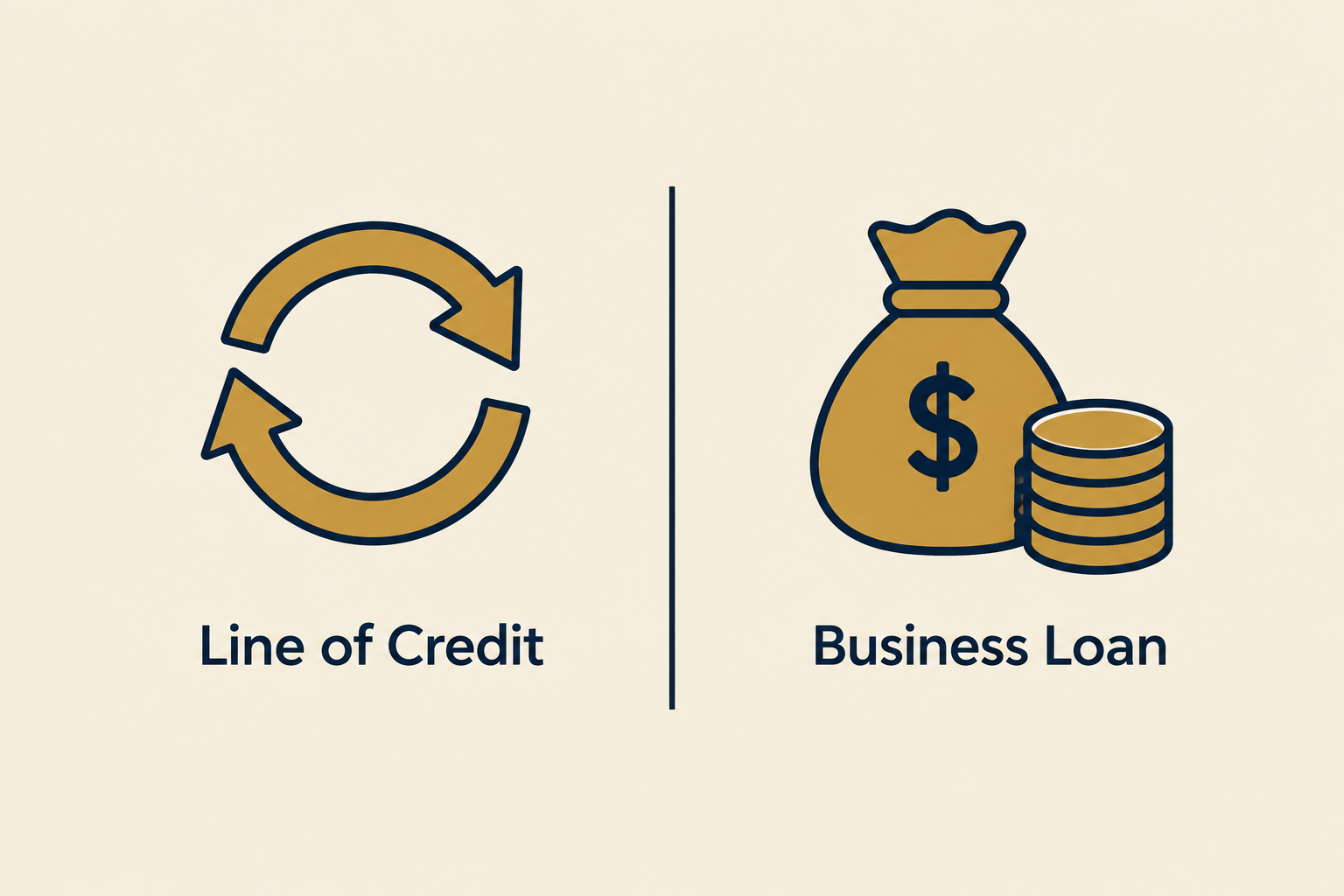
The biggest difference is how you access the money.
| Feature | Line of Credit | Business Loan |
|---|---|---|
| Funding | Draw as needed | Usually lump sum |
| Interest | Generally based on amount used | Based on loan terms |
| Flexibility | Higher for recurring needs | Better for defined projects |
| Repayment | Revolving or draw-based | Fixed repayment schedule |
| Common use | Cash-flow gaps, inventory, recurring expenses | Equipment, expansion, specific purchases |
A line of credit can be useful when you do not know exactly when you will need capital. A traditional business loan may make more sense when you know the exact amount required for a specific purpose.
Real-World Example: When a Good Business Still Gets Stuck
Consider a service business with steady customers and healthy sales.
The owner applies for a business line of credit expecting an easy approval. The business is profitable, but its commercial credit profile is thin and the owner has not established much business credit history.
From the owner’s perspective, the business is doing well.
From the lender’s perspective, there is not enough historical credit information to confidently evaluate the business.
This is one of the most important lessons when looking at business line of credit requirements: being profitable and being lender-ready are related, but they are not exactly the same thing.
A strong funding strategy addresses the complete profile rather than focusing on one number.
Frequently Asked Questions
What are the main business line of credit requirements?
Lenders commonly review credit, revenue, cash flow, time in business, existing debt, and financial documentation.
What credit score is needed for a business line of credit?
There is no universal minimum. Requirements vary by lender, with some products accepting lower scores and traditional lenders generally requiring stronger credit.
Can a new business get a line of credit?
Yes, some lenders consider newer businesses, although shorter operating history can limit available options or increase the requirements.
How much revenue do I need?
There is no universal revenue requirement. Lenders set their own thresholds based on the product, business risk, and requested credit amount.
Do I need business credit?
Not always, but an established business credit profile can give lenders more information when evaluating your company.
Is a business line of credit better than a business loan?
It depends on the purpose. A line of credit provides flexible access to funds, while a business loan is generally better suited to a specific, defined funding need.
Can I qualify with bad credit?
Some alternative lenders may consider lower credit scores, but weaker credit can reduce available options or result in less favorable terms.
Final Takeaway
Understanding business line of credit requirements before applying can save time and help you approach lenders with a stronger application.
There is no magic credit score or revenue number that guarantees approval. Lenders may evaluate your personal credit, business credit, revenue, cash flow, time in business, debt, and documentation as part of the overall underwriting process.
The smartest preparation is therefore broader than simply checking your credit score. Build a credible business profile, keep financial records organized, understand your cash flow, and choose a funding product that matches your actual business needs.
For businesses that need help preparing their credit profile and exploring working-capital options, Tradeline Associates provides business credit, tradeline, and funding-related services.
For additional information about SBA-backed lending programs and revolving credit options, see the official U.S. Small Business Administration lender resources. The SBA notes that revolving lines of credit are permitted through certain programs, including CAPLines and SBA Express.
Funding requirements, rates, credit standards, and approval decisions vary by lender and can change over time. This article is for educational purposes and does not guarantee funding or approval.