
When people search for aged shelf companies with credit, they are usually looking for two things at the same time: an established business age and an existing business credit profile. But those are not the same thing.
An aged shelf company can give you something valuable, a verified formation date that is already years old. However, that does not automatically mean the company has a business credit score, active tradelines, bank history, revenue, or financing history.
That distinction matters.
A clean aged shelf company is generally a previously formed business entity that was maintained in good standing but never used for actual business operations. After ownership transfers, the new owner can establish the company’s EIN, banking relationships, vendor accounts, business credit profiles, and other infrastructure.
Tradeline Associates explains this distinction directly on its page for Shelf Companies With Credit: the legitimate advantage of an aged entity is its established formation date, while genuine business credit still needs to be built.
What Is an Aged Shelf Company With Credit?
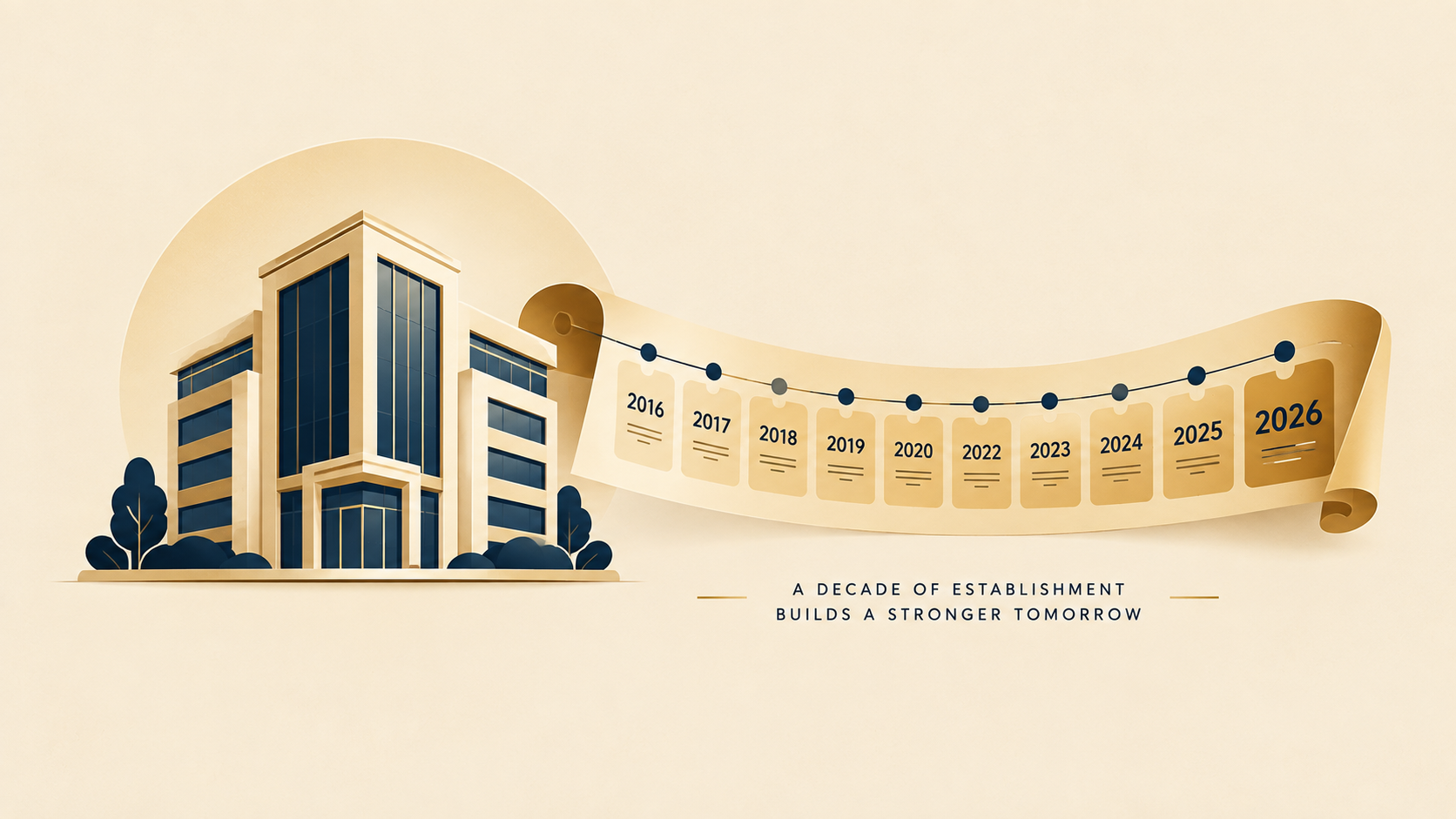
An aged shelf company is a corporation or LLC that was legally formed in a previous year and maintained over time without conducting normal business operations.
Instead of forming a brand-new LLC today, you acquire an existing entity with an older formation date.
For example:
| Business | Formation Date | Current Status |
| New LLC | 2026 | Newly formed |
| 2-year aged company | 2024 | Existing entity |
| 5-year aged company | 2021 | Existing entity |
| 10-year aged company | 2016 | Existing entity |
The important part is that “age refers to the entity’s formation history, not necessarily its operating history or credit history.”
A clean aged shelf company can provide:
- An established formation date
- Active status and good standing
- Corporate formation documents
- A clean ownership transfer
- A history that can be independently verified through state records
- A starting point for building business credit
Tradeline Associates’ Aged Shelf Companies & LLCs page describes its clean inventory as active, in good standing, unused, free of prior debt and liabilities, and verifiable through the Secretary of State.
But what does “with credit” actually mean?
This is where things get confusing.
Some sellers use phrases such as:
- Aged shelf company with credit
- Credit-ready company
- Shelf corporation with established credit
- Aged corporation with tradelines
- Company with business credit
- Credit-ready aged company
These phrases can describe very different products.
A company might have:
- Age only
- Age + business setup
- Age + newly established business credit profiles
- Age + legitimate business tradelines
- Age + previous operating and financial history
Those are not interchangeable.
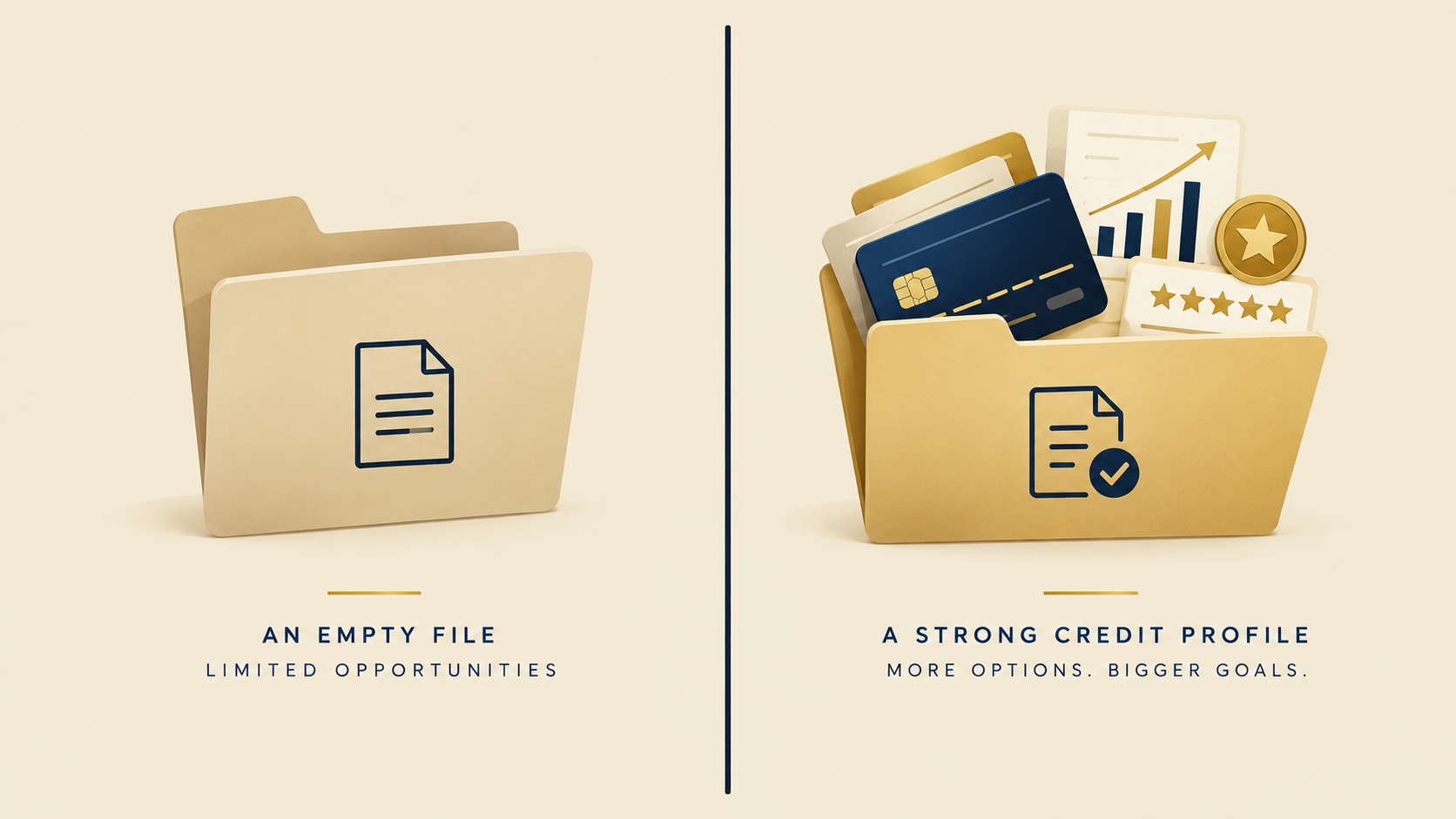
Aged Company vs. Aged Company With Business Credit
| Feature | Clean Aged Shelf Company | Aged Company With Established Credit |
| Older formation date | ✓ | ✓ |
| Good standing | Usually | Should be verified |
| Prior operations | None | May have prior activity |
| Previous EIN | Often no | May exist |
| Business credit history | No | May exist |
| Tradelines | No | May exist |
| Revenue history | No | May exist |
| Bank history | No | May exist |
| Due diligence required | Yes | Even more important |
This is why buyers should never assume that “aged” automatically means “credit-established.”
Does an Aged Shelf Company Automatically Have Business Credit?
No. A company can be 5, 10, or even 20 years old and still have little or no meaningful business credit history.
Why?
Because time passing is not the same as credit activity.
Business credit is built through actual commercial activity such as reporting vendor accounts, loans, leases, credit cards, payment history, and other legitimate financial relationships.
The U.S. Small Business Administration explains that business credit reports can contain information such as company information, payment history, and public records, and that lenders and suppliers use these reports when evaluating creditworthiness.
So a company that simply existed on paper for years isn’t automatically going to have a strong commercial credit profile.
Age ≠ Credit
Age gives the company a history of existence.
Credit gives the company a history of financial behavior.
Those are two different things.
A clean shelf company may therefore be useful as a foundation for business credit building, but the new owner still needs to establish genuine commercial credit.
That can include:
- Obtaining an EIN
- Establishing a business bank account
- Creating consistent business information
- Establishing D&B, Experian Business, and Equifax Business profiles where appropriate
- Opening legitimate vendor accounts
- Using reporting business tradelines
- Paying accounts on time
- Maintaining business compliance
- Building real financial activity
You can learn more about this process through the Business Tradelines service from Tradeline Associates.
Does Business Credit Transfer When You Buy an Aged Company?
This is another question buyers often overlook.
Company ownership can transfer. That does not mean every aspect of the previous owner’s financial relationships automatically transfers in a way that benefits the new owner.
If you’re buying a genuinely clean shelf company that never conducted business, there may be no previous business credit history to transfer in the first place.
If someone is selling an aged company that supposedly has:
- High PAYDEX
- Multiple old tradelines
- Large credit limits
- Existing bank relationships
- Previous loans
- Tax returns
- Revenue history
You need to ask exactly what those records represent and whether they remain valid and usable after the ownership change.
Ask the Seller These Questions
Before buying an aged company with claimed credit history, ask:
- What is the company’s exact legal name?
- When was it formed?
- Which state is it registered in?
- Has it ever conducted business?
- Has it ever had an EIN?
- Has it ever had a business bank account?
- Does it have a D&B profile?
- Does it have Experian or Equifax business records?
- Are there active or historical tradelines?
- Are there UCC filings?
- Are there liens, judgments, lawsuits, or tax obligations?
- Does the credit profile remain after ownership changes?
- Can the claimed information be independently verified?
- What exactly is included in the purchase price?
If the answers are vague, that’s a warning sign.
7 Powerful Tips for Choosing Aged Shelf Companies With Credit
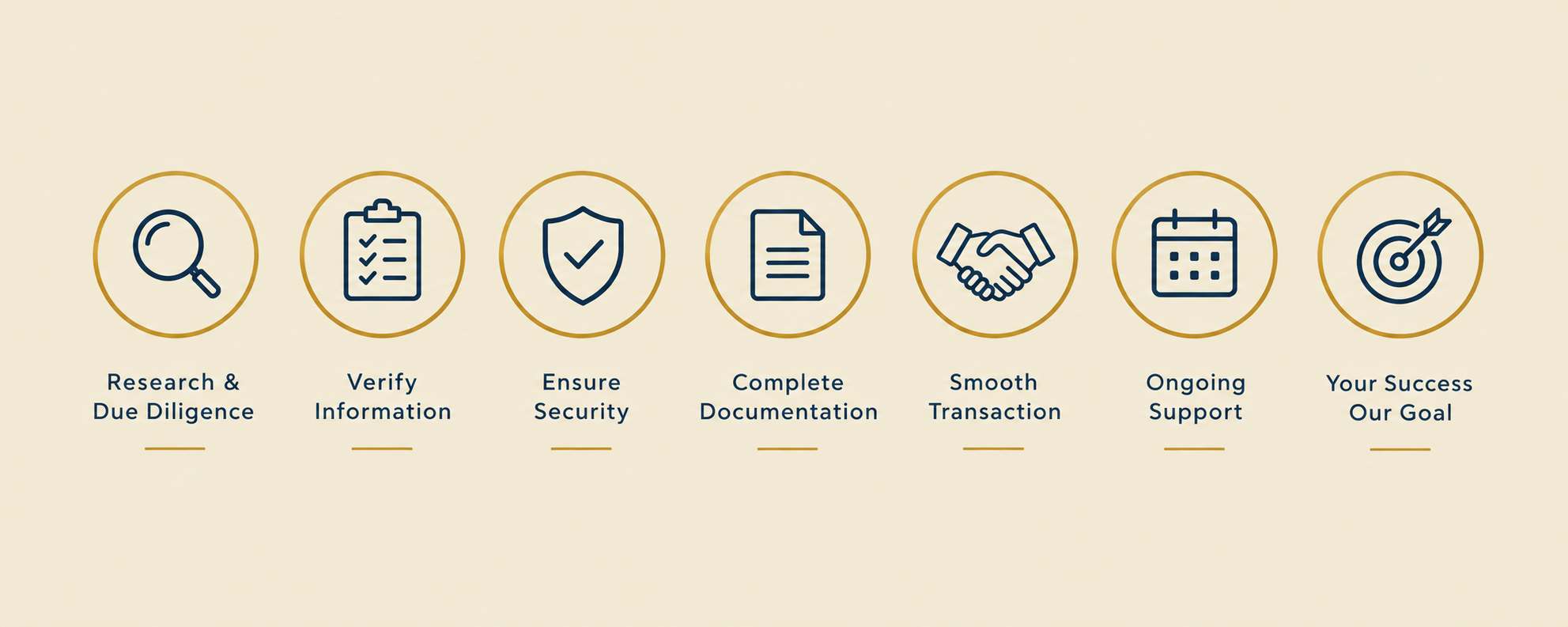
-
Verify the Company’s Age
Don’t rely only on a seller’s advertisement.
Verify the formation date directly through the relevant Secretary of State database or official corporate records.
You want to confirm:
- Legal entity name
- Entity type
- Formation date
- Current status
- Registered agent
- Filing history
- Good-standing status
The older date should exist in official records — not just on a sales page.
If you’re comparing available options, Tradeline Associates provides a dedicated Aged Shelf Corporations for Sale page where inventory is organized by entity age, type, state, and intended use.
-
Make Sure “Clean” Really Means Clean
A cheap aged corporation isn’t necessarily a good deal.
The company should be checked for potential problems such as:
- Outstanding debts
- UCC filings
- Tax issues
- Judgments
- Liens
- Lawsuits
- Previous business activity
- Unresolved compliance issues
- Previous dissolution or reinstatement
This is why clean vs. dirty shelf company is such an important distinction.
Tradeline Associates goes deeper into this topic in its guide to Clean Aged Shelf Company vs. Dirty Shelf Corporation.
The basic principle is simple:
You don’t want to inherit someone else’s business problems just because you’re buying their company’s age.
-
Verify the Actual Credit Profile
If a seller says the company has business credit, ask for evidence.
Don’t confuse a company having a name in a database with having meaningful credit history.
Look for verifiable information concerning:
- Business credit reports
- Payment history
- Reporting accounts
- Tradelines
- Credit limits
- Account age
- Outstanding balances
- Public records
- Business identification information
The SBA recommends that businesses monitor their commercial credit reports and notes that reports can be obtained from providers including Dun & Bradstreet, Experian, and Equifax.
If the seller cannot explain where the claimed credit history comes from, don’t treat the phrase “with credit” as proof.
-
Understand the Difference Between Tradelines and Credit Profiles
Another common mistake is assuming that one tradeline equals a complete business credit profile.
It doesn’t.
A legitimate business credit profile can develop through multiple forms of commercial activity.
These may include:
- Net-30 vendor accounts
- Business credit cards
- Fleet accounts
- Equipment financing
- Business loans
- Other reporting commercial accounts
A tradeline can contribute to the profile, but the broader picture includes payment behavior, account history, public records, business identity, and other information.
This is why combining an aged entity with a legitimate business credit-building strategy can be more meaningful than simply buying a company advertised as “credit-ready.”
-
Check What Happened Before the Ownership Transfer
A clean shelf company and an operating company are two very different purchases.
With a clean shelf entity, there may intentionally be no operating history.
That’s not necessarily a problem.
In fact, some buyers specifically want a clean company with no previous business activity.
But if you’re buying a company because the seller claims it has an established business history, you need to investigate that history.
Ask:
- Who previously owned it?
- What business operated through it?
- Did it generate revenue?
- Were taxes filed?
- Were employees involved?
- Were loans taken?
- Were bank accounts opened?
- Were contracts signed?
- Were there disputes or lawsuits?
The more financial history a seller claims, the more documentation you should expect.
-
Don’t Assume Credit Survives an Ownership Change Exactly as Advertised
This deserves special attention.
A seller may advertise a company as having:
“Established credit”
But you need to understand what that means after acquisition.
If a business has historical credit information, changing ownership, management, address, EIN information, banking relationships, industry classification, or operating activity can affect how lenders evaluate the company.
A lender may also care about the current owner’s personal credit, current revenue, bank activity, financial statements, industry, debt obligations, and ability to repay.
So the goal shouldn’t be:
“How do I buy someone else’s credit?”
The better goal is:
“How do I acquire a legitimate business entity and build a verifiable credit profile around my actual business?”
-
Match the Company’s Age to Your Actual Goal
Older isn’t automatically better.
A 10-year-old company can cost substantially more than a 2- or 3-year-old entity, but if your intended use only requires a shorter time-in-business history, paying for extra age may not make economic sense.
Think about what you’re actually trying to accomplish:
| Goal | What Matters |
| Establish business presence | Clean entity + compliance |
| Vendor accounts | Business setup + reporting vendors |
| Business credit building | Reporting accounts + payment history |
| Commercial lease | Business age + financial strength |
| Funding | Credit + revenue + banking + compliance + age |
| Larger financing | Strong overall financial profile |
| Government/SBA financing | Product-specific eligibility + operating history + ability to repay |
The right company is not necessarily the oldest company.
It’s the company that fits the specific requirement you’re trying to meet.
How Do You Verify an Aged Company’s Credit History?
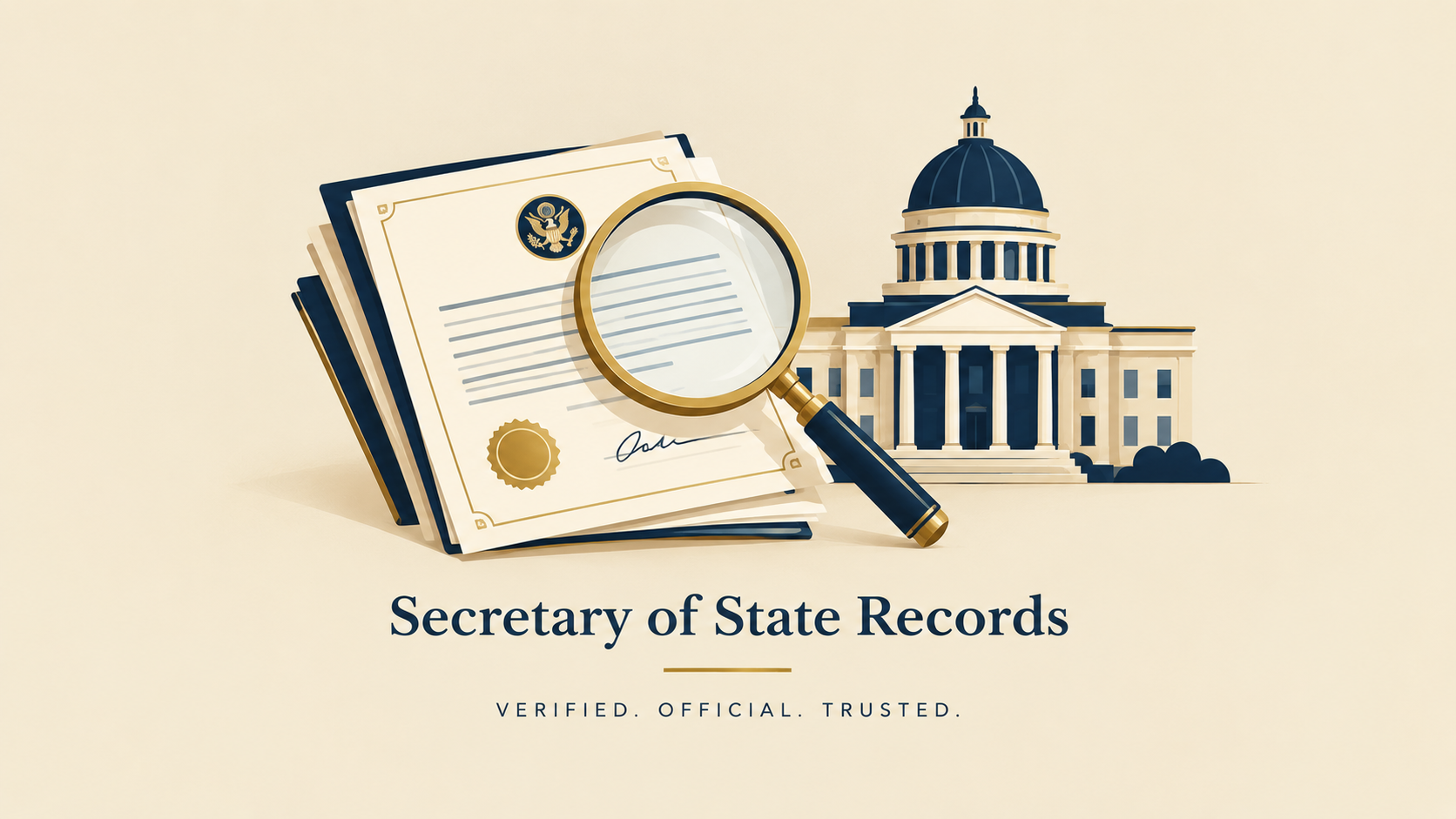
If a seller claims you’re buying an aged shelf company with credit, use a simple verification process.
Step 1: Verify the Entity
Check the Secretary of State record.
Confirm:
- Formation date
- Entity type
- Current status
- Ownership records where available
- Filing history
Step 2: Verify Good Standing
Make sure the entity is active and compliant.
Step 3: Check Public Records
Search for:
- UCC filings
- Liens
- Judgments
- Lawsuits
- Tax issues
- Dissolution or reinstatement records
Step 4: Verify Commercial Credit Reports
Where applicable, obtain or review reports from commercial credit reporting agencies.
Don’t accept a screenshot showing only a score.
You need to understand why the score exists.
Step 5: Review the Accounts
If tradelines are claimed, identify:
- Creditor
- Account type
- Opening date
- Current balance
- Credit limit
- Payment history
- Reporting bureau
- Current status
Step 6: Verify the Story
The documents should make sense together.
If someone claims a company has ten years of operating history but the entity never had an EIN, bank account, employees, revenue, or filings associated with operations, that deserves further investigation.
What Should Come With a Clean Aged Shelf Company?
A legitimate clean aged shelf company should come with documentation appropriate to the transaction.
Depending on the provider and package, this can include:
- Articles of Incorporation or Organization
- Certificate of Good Standing
- Operating Agreement or bylaws
- Ownership transfer documents
- Corporate resolutions
- Registered agent information
- Secretary of State records
- Other compliance documentation
Tradeline Associates’ Aged Shelf Companies & LLCs packages distinguish between the clean aged entity itself and additional services such as EIN assistance, foreign qualification, D-U-N-S registration assistance, business infrastructure, and business tradeline options.
That’s an important distinction.
Included documentation is not the same thing as established credit.
Can an Aged Shelf Company Help With Business Funding?
Potentially, but age alone doesn’t guarantee financing.
An aged company can be useful when a funding product has a legitimate time-in-business requirement and the acquired entity meets that requirement.
However, lenders may also evaluate:
- Business credit
- Personal credit
- Revenue
- Cash flow
- Bank statements
- Debt obligations
- Industry
- Business structure
- Compliance
- Financial statements
- Ability to repay
- Current business activity
For example, SBA 7(a) eligibility requires an operating, for-profit U.S. business that is creditworthy and able to demonstrate a reasonable ability to repay.
That illustrates an important point:
An old formation date does not replace an operating business or repayment ability.
For businesses preparing for working capital, Tradeline Associates also offers Working Capital funding solutions that focus on credit profile, entity structure, compliance, and lender positioning rather than age alone.
You can also read Aged Shelf Corporations for Faster Funding Approval for a deeper look at how business age fits into the broader funding process.
Aged Shelf Company vs. New LLC
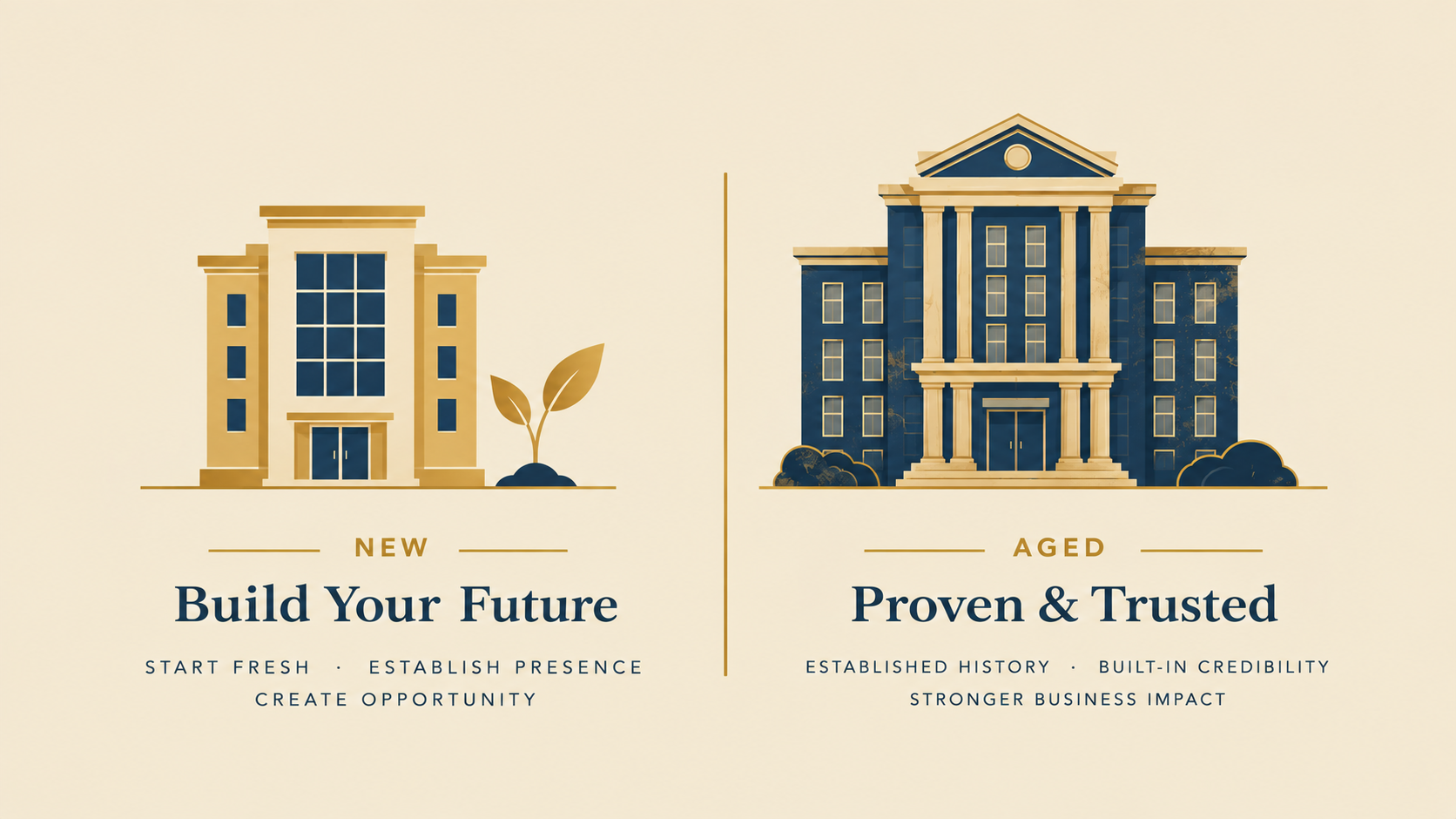
Which is better?
It depends on your objective.
| Factor | New LLC | Aged Shelf Company |
| Formation age | New | Already established |
| Cost | Usually lower | Usually higher |
| Setup | Starts from scratch | Existing entity |
| Business credit | Starts from scratch | Still needs to be established if clean |
| Operating history | None | None if clean |
| Compliance history | New | Existing |
| Time-in-business | Starts at zero | Existing formation date |
| Due diligence | Basic | More important |
| Best for | Long-term organic build | Situations where legitimate age matters |
A new LLC is often the simplest option when you don’t need an established formation date.
An aged shelf company may make more sense when time in business is genuinely relevant to your business strategy.
For another perspective, see the Tradeline Associates article New Business vs Shelf Company Funding: Which Wins?.
How Much Do Aged Shelf Companies With Credit Cost?
Prices vary significantly depending on:
- Company age
- State
- Entity type
- Compliance history
- Included documentation
- Business setup services
- EIN assistance
- Credit-building services
- Tradelines
- Additional infrastructure
A clean aged entity is generally priced differently from an operating company with actual financial history.
Tradeline Associates’ current inventory page shows that pricing varies by entity age and configuration, with different ranges for younger entities, 5-year companies, and older premium entities. View current aged company pricing and inventory
Don’t compare companies based only on age.
Compare what you’re actually receiving for the price.
Red Flags to Watch For
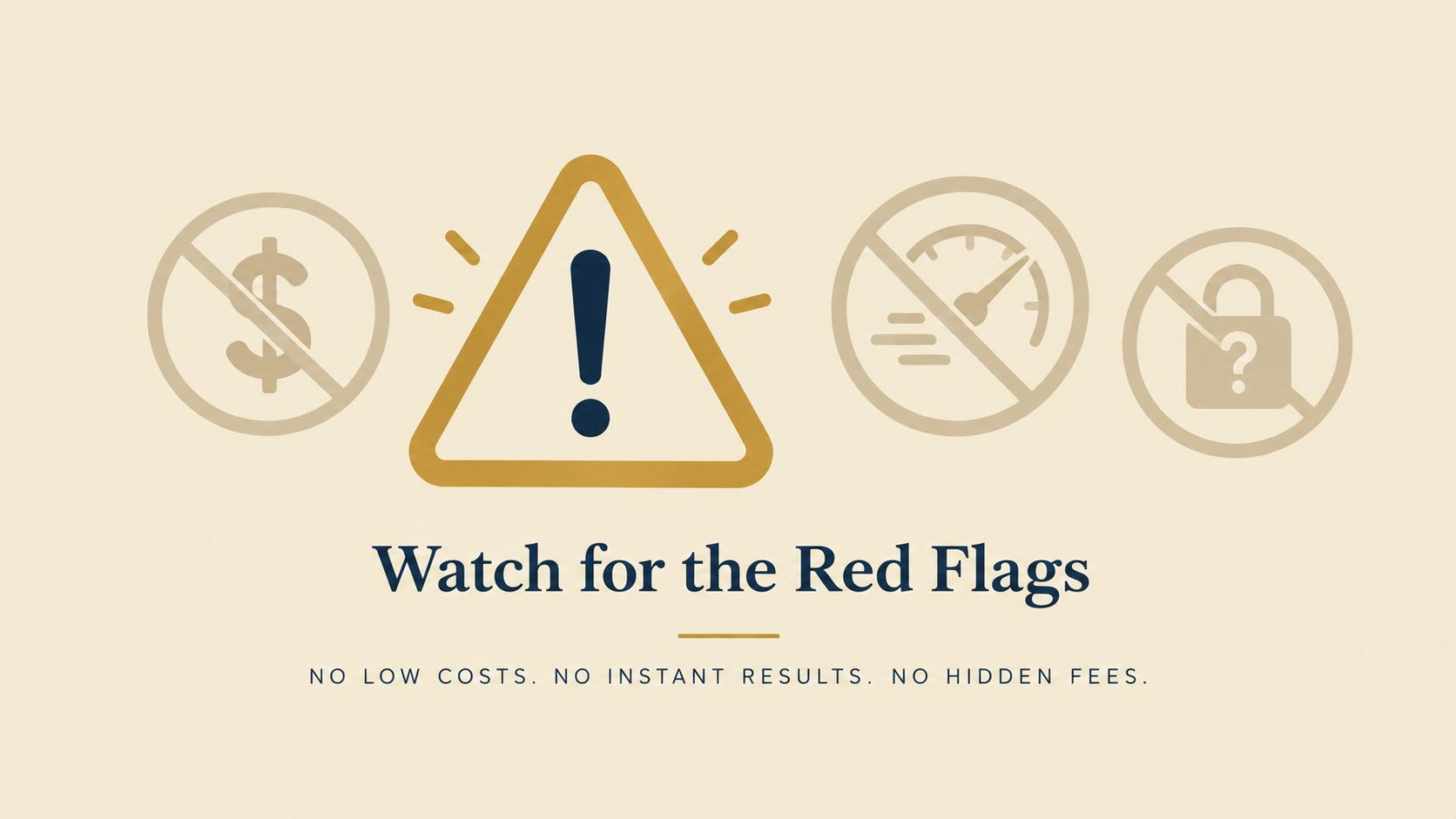
Be cautious if a seller promises:
“Guaranteed $100K+ funding”
No legitimate seller can guarantee that every lender will approve a particular borrower for a specific amount.
“Instant business credit”
Real credit history comes from legitimate commercial activity and reporting.
“Guaranteed high PAYDEX”
A score is not something you should treat as a permanent product feature independent of actual business activity.
“No documents needed”
A legitimate transaction should be transparent about the company, its history, ownership transfer, and included documentation.
“No need to verify anything”
That’s a major warning sign.
You should always be able to independently verify the legal entity.
“Secret lender relationships”
Be skeptical of anyone claiming that simply buying a particular entity guarantees access to secret banks or guaranteed financing.
“Pre-loaded credit” without documentation
If the seller claims the company has substantial existing tradelines, ask for verifiable evidence and understand exactly how those accounts were established.
The goal should always be real, defensible business credit — not an artificial appearance of creditworthiness.
Aged Shelf Company With Credit vs. Operating Business With Credit
This distinction is extremely important.
Imagine two companies:
Company A — Clean Aged Shelf Company
- Formed five years ago
- Never operated
- No revenue
- No previous EIN
- No business bank history
- No prior tradelines
- Active and in good standing
Company B — Operating Business
- Formed five years ago
- Has operated for five years
- Has revenue
- Has business bank statements
- Has vendor accounts
- Has payment history
- Has tax and financial records
- Has established customer relationships
Both may be “five years old.”
But they do not represent the same type of business history.
This is why an aged shelf company should not be presented as equivalent to a five-year operating business.
The formation date is only one piece of the picture.
Why Can an Old Company Still Be Denied Financing?
Because lenders don’t lend money based on age alone.
A company can be old and still have:
- Weak credit
- No revenue
- Poor cash flow
- Limited banking history
- Weak personal credit
- Compliance problems
- High debt
- Insufficient documentation
- An unsuitable industry
- No demonstrated ability to repay
That’s why the strongest strategy is usually to treat business age as one component of fundability, not the entire strategy.
Tradeline Associates’ overall business credit and funding preparation process focuses on several components, including personal credit, business structure, commercial credit history, compliance, and time in business.
A Simple Buyer Due-Diligence Checklist
Before purchasing an aged shelf company, verify each of these:
Company
- Legal name verified
- Formation date verified
- State verified
- Entity type verified
- Active status confirmed
- Good standing confirmed
History
- Previous activity checked
- Previous EIN status understood
- Bank history understood
- Tax history reviewed where applicable
- Ownership history reviewed
Liabilities
- UCC filings checked
- Liens checked
- Judgments checked
- Lawsuits checked
- Tax obligations checked
- Outstanding debts checked
Credit
- Business credit reports verified
- Claimed tradelines verified
- Payment history reviewed
- Account ownership/status understood
- Credit claims independently verified
Transfer
- Ownership documents provided
- Corporate records updated
- Registered agent addressed
- Business address confirmed
- Compliance responsibilities understood
Funding
- Specific lender/product requirements researched
- Time-in-business requirement confirmed
- Revenue requirements confirmed
- Personal credit requirements understood
- Bank statement requirements understood
- No funding guarantee assumed
Aged Shelf Companies With Credit: What You Should Actually Look For
If you’re searching specifically for aged shelf companies with credit, don’t let the phrase itself make the decision for you.
Instead, break the purchase into three questions:
-
What am I buying?
Is it simply an aged legal entity?
Or is it an operating company with actual financial history?
-
What can I verify?
Can the formation date, good standing, credit reports, tradelines, and company history be independently confirmed?
-
What happens after I buy it?
Will you need to obtain a new EIN, open banking relationships, establish vendor accounts, create commercial credit profiles, and build payment history?
For a clean shelf company, the answer to that last question is generally yes.
That’s not necessarily a weakness.
It simply means you’re buying time in business, not buying a fictional financial history.
FAQs
Do aged shelf companies come with business credit?
Not automatically.
A clean aged shelf company generally provides an established formation date, not a pre-existing business credit profile. Business credit needs to be established through legitimate commercial activity after acquisition.
Can I buy an aged shelf company with established credit?
Companies may be advertised this way, but buyers should verify exactly what “established credit” means and whether the claimed credit history is legitimate, transferable, and useful after the ownership change.
Does business credit transfer to a new owner?
You should not assume that every aspect of a previous owner’s credit relationships will transfer or be treated the same way after an ownership change. Always verify the actual accounts, reporting history, ownership structure, and lender requirements.
Does an aged company guarantee business funding?
No.
An aged formation date may help with certain time-in-business requirements, but funding decisions can also involve creditworthiness, revenue, cash flow, banking history, documentation, industry, collateral, and repayment ability.
Is an aged shelf company the same as an established operating business?
No.
A clean shelf company may have an old formation date but no operating history, revenue, customers, or previous financial activity.
How do I verify an aged shelf company?
Start with the Secretary of State records. Confirm formation date, active status, good standing, filings, ownership information where available, and potential liabilities. If credit is claimed, independently verify the relevant commercial credit reports and tradelines.
What is the biggest mistake buyers make?
Assuming age equals credit.
An old entity is not automatically a creditworthy operating business.
Is a newer LLC ever better?
Absolutely.
If you don’t need an established formation date, creating a new LLC can be simpler and less expensive. The right choice depends on your business model, funding goals, compliance needs, and timeline.
Final Takeaway
The phrase “aged shelf companies with credit” sounds simple, but it actually combines two different concepts: business age and business credit.
A clean aged shelf company can give you an established formation date without forcing you to wait several years for the entity itself to age. But it does not automatically give you revenue, bank history, operating history, or a strong business credit profile.
That’s why the smartest approach is not to buy the oldest company you can find or believe every “credit-ready” claim you see.
Instead:
Verify the company.
Verify its history.
Verify its credit.
Understand what transfers.
Build genuine business credit.
Then approach funding based on the complete financial picture.
If your goal is to start with an established entity and then build a legitimate commercial credit profile, explore Tradeline Associates’ aged shelf companies and business tradeline solutions.
For readers comparing funding strategies, the Business Loan Denied Reasons guide and How to Build Business Credibility for Funding provide additional guidance on the factors that can affect funding readiness.
The bottom line: an aged shelf company can potentially shorten the time-in-business hurdle, but genuine business credit still has to be earned, established, reported, and maintained.
That is the difference between simply owning an old company and owning a business that is actually positioned for credit and funding.