

Why Most Business Owners Take Years and How You Can Skip That
Most small business owners hear “building business credit takes years” and just accept it. But here is the truth: the timeline is long only when there is no strategy. If you go account by account without a plan, you are hoping for results instead of engineering them.
If you want to build business credit in 30 to 60 days using strategic tradelines, the path is specific, sequential, and very doable. This guide will walk you through every step — from setting up your commercial identity on day one to having a real, lender-ready credit profile by the end of week eight.
What Are Business Tradelines and Why Do They Matter?
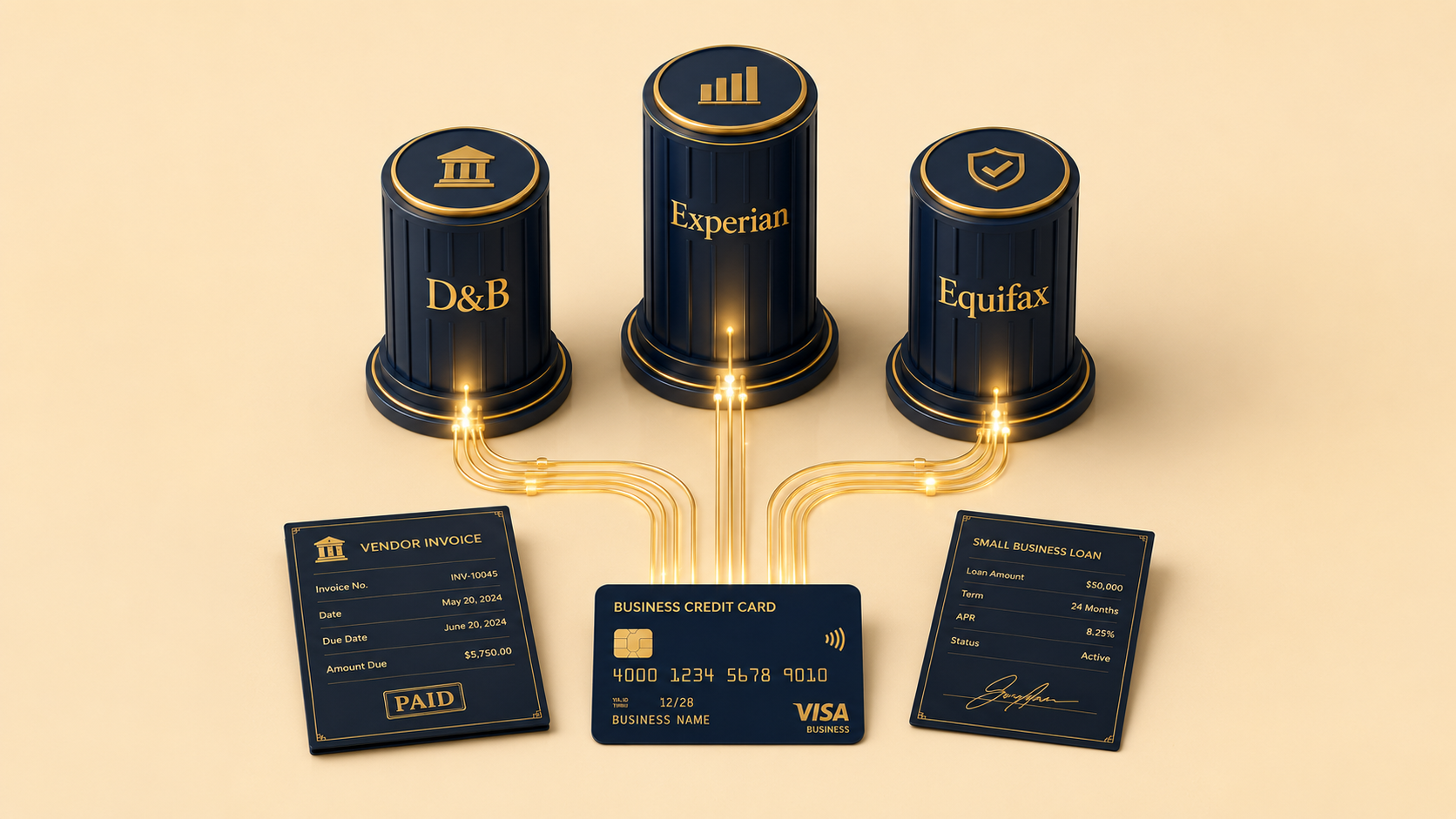
Before diving into the timeline, it helps to understand the core tool you are working with. A business tradeline is simply any credit account that reports payment activity to a commercial credit bureau. That could be a net-30 vendor account, a business credit card, a business loan, or a line of credit.
Each tradeline contributes to your business credit profile when the creditor reports your payment activity to commercial credit bureaus like Dun & Bradstreet, Experian, and Equifax. Without tradelines, there is nothing for those bureaus to score and nothing for lenders to evaluate.
Without tradelines, it is virtually impossible to build strong business credit scores. Many businesses have low scores simply because they lack accounts reporting to business credit, not because they have managed credit poorly.
The Two Types of Tradelines You Need
| Tradeline Type | Examples | Typical Reporting Timeline |
| Vendor (Net-30) Accounts | Office suppliers, digital services, business supply vendors | 30–60 days after first payment |
| Financial Tradelines | Business credit cards, small business loans, lines of credit | 30–45 days (varies by issuer) |
Both types play a role. Vendor accounts are your entry point — easier to get and often available without a strong personal credit check. Financial tradelines add depth to your profile and signal creditworthiness to larger lenders.
The Week-by-Week Plan to Build Business Credit in 30 to 60 Days
Week 1: Build the Infrastructure First

This step is where most people skip ahead and later regret it. Before opening a single account, your commercial identity needs to be verifiable and consistent.
Register your DUNS number.
Dun & Bradstreet is the most widely referenced commercial credit bureau. Without a D-U-N-S Number, you have no profile there. Registration is free — go directly to the D&B website and complete it yourself. Processing typically takes a few business days.
Clean up your business identity.
Make sure your business name, address, and phone number match exactly across your state filing, your business bank account, and any online directories where your company is listed. Inconsistencies raise red flags in both bureau records and lender reviews.
Get listed in 411.
Your business phone number should appear in public directories. Your email should use your business domain. These small signals tell bureaus and creditors that your business is real, professionally set up, and operating.
Pro Tip: Open a dedicated business bank account now if you have not already. Many lenders request bank statements during credit applications, and having one in place strengthens your overall commercial identity.
Weeks 2–3: Open Your First Net-30 Vendor Accounts
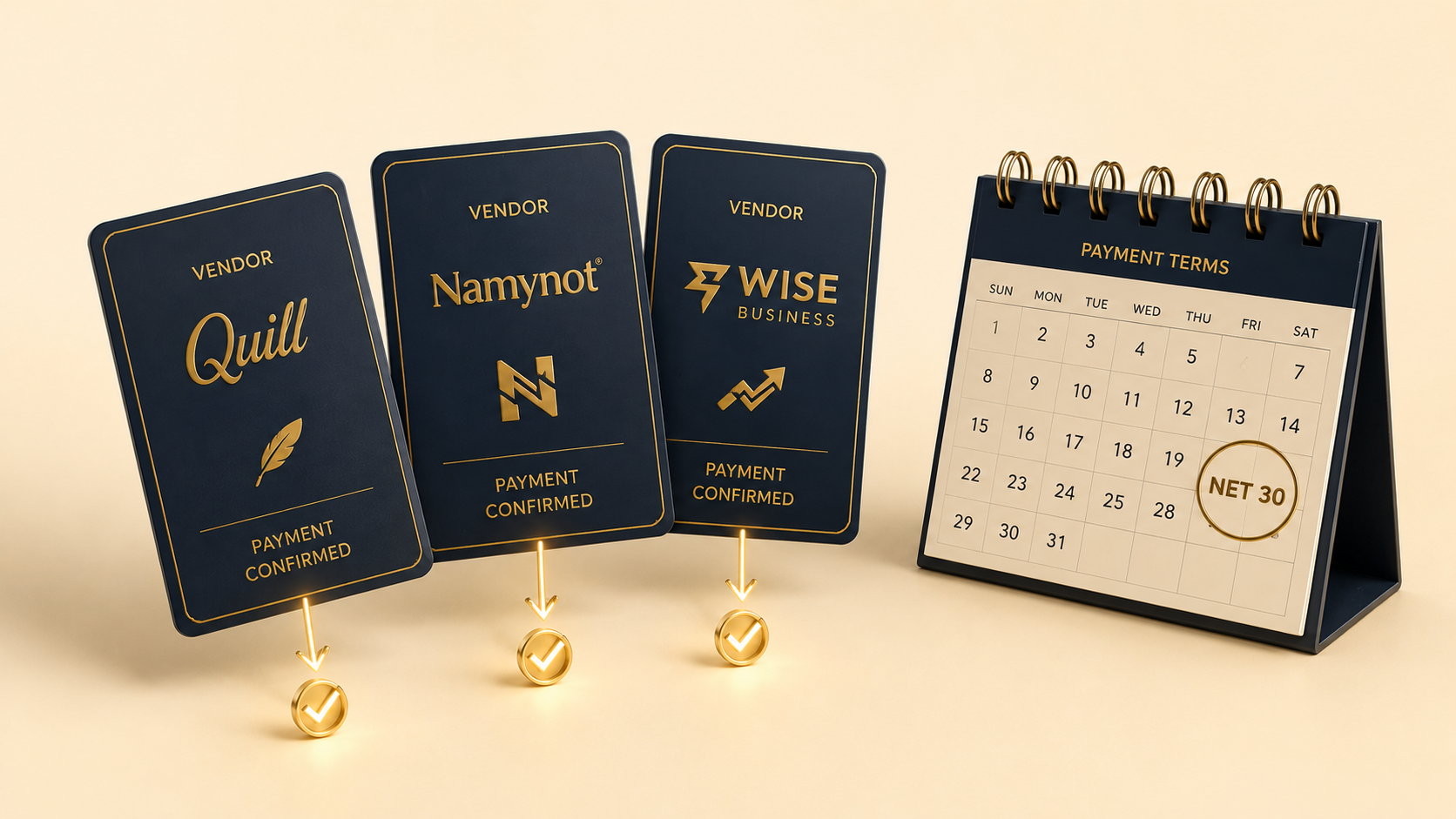
Net-30 vendor accounts are the foundation of commercial credit building. You purchase a product or service, receive 30-day payment terms, pay the invoice, and that payment gets reported to a business credit bureau as a positive trade experience.
The most important word in that sentence is reported. Working with Net-30 vendors can be an excellent way to build business credit without needing to secure loans or credit lines — assuming they report to the credit bureaus. Not every vendor that offers net-30 terms reports. Always ask which bureaus they report to before opening an account specifically for credit-building purposes.
Open two to three vendor accounts this week. Try to spread them across different bureaus:
- Quill (office supplies) — reports to Dun & Bradstreet weekly
- Namynot (digital marketing services) — reports to Experian, Equifax, and D&B
- Wise Business (business services) — reports to Experian and Equifax
Make a genuine, small purchase on each account that connects to a real business need — office supplies, branded materials, or digital services. Then pay each invoice before the 30-day window closes. Pay early, not just on time.
Paying at the due date gives you a Paydex score of 80, which is the minimum “good” score. To push past 80, you need to consistently pay early. This distinction matters enormously when you are building from zero.
Weeks 3–5: Add a Business Credit Card
With vendor accounts open and payment history starting to accumulate, add a revolving account to your profile. Business credit cards can help establish payment history and a positive credit profile, especially for businesses in early stages.
Apply for a business credit card that reports to commercial bureaus — many major issuers report to Equifax Business, which helps you spread your credit presence across bureaus instead of concentrating everything at D&B.
Keep utilization under 30%. High credit utilization can signal financial stress to creditors and may negatively affect your credit score. Strive to pay off balances in full each month if possible. Running a card near its limit — even if you pay it monthly — tells lenders your business is stretched thin.
Use the card for regular, recurring business expenses, keep the balance low, and pay the full statement balance every month. That habit alone turns a credit card into a powerful asset in your commercial profile.
Weeks 5–8: Add One More Tradeline, Then Hold the Line
Add one more net-30 vendor account around week five or six, again confirming they report to a commercial bureau. For most new businesses, a good goal is three to five net-30 accounts over the first 60 to 90 days, spaced out so you can manage cash flow without stress.
Once you reach four to five active tradelines, stop opening new accounts. This is counterintuitive but critical. Opening multiple accounts in a short window signals financial scrambling to bureaus and lenders — the opposite of what you want to communicate. Let the existing accounts age, accumulate history, and report.
Pay everything early. Keep balances low. Do not apply for credit you do not need right now.
What Your Profile Looks Like at Day 60
If you follow this plan consistently, here is what you have built by the 60-day mark:
| Credit Bureau | What You Have |
| Dun & Bradstreet | Active DUNS number, Paydex score reflecting early payments |
| Experian Business | Growing profile from vendor account reporting |
| Equifax Business | Presence of business credit card activity |

It may take 30 to 60 days or even a bit longer for new accounts to appear on your business credit reports. Be patient. If you do not see new accounts after two months, contact the company that offers the tradeline to find out whether there may be reporting issues.
You will not have a decade of commercial history. But you will have a real, verifiable profile — one that gives lenders something to evaluate instead of an empty file that stalls every application before it starts.
Common Mistakes That Slow Down the Process

Opening too many accounts at once:
More is not better in the early stages. Three to five quality, reporting tradelines are far more effective than ten accounts you barely use.
Choosing vendors that do not report:
This is the most common mistake. A net-30 account that does not report to a bureau is useful for purchasing but worthless for credit building. Always verify before you apply.
Paying on time instead of early:
On-time payment at D&B yields a Paydex score of 80. Early payment pushes it higher. A good business credit score typically means a Paydex of 80 or higher for low risk, while an Experian Intelliscore of 76 or above is considered good. Build toward those targets from day one.
Skipping the infrastructure setup:
Your DUNS number, consistent business identity, and business bank account are not optional extras. Without them, even good payment history may not attach correctly to your commercial profile.
How Business Credit Scores Are Calculated
Understanding how the bureaus score you helps you prioritize the right actions.
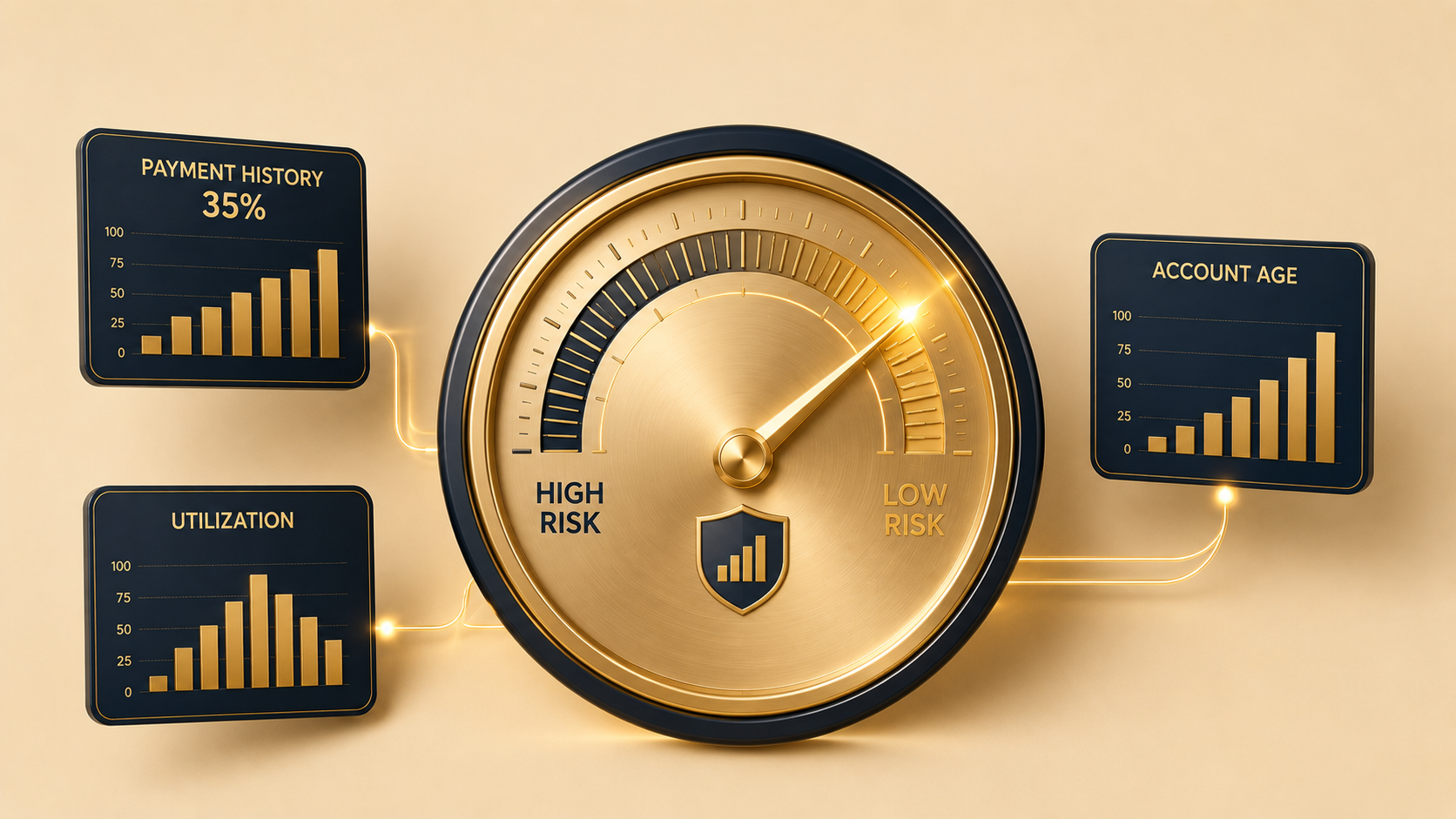
Payment history affects your business credit score the most, making up about 35% of the calculation. Your score changes each time you pay vendors or lenders who report to bureaus. Business credit differs from personal credit — it uses “Days Beyond Terms” (DBT), and your rating can drop even if payments are just a few days late.
Dun & Bradstreet needs at least two tradelines with three credit experiences to calculate a Paydex score. The amount of credit you use compared to your available limits affects your business credit rating significantly — your best bet is to keep utilization under 30%.
Why Entity Age Still Matters
The tradeline strategy above works, but it works best when your business entity is already established. Many conventional funding programs have a minimum “time in business” requirement — often 12 to 24 months — regardless of how clean your payment history looks.
A newly formed LLC with 60 days of perfect payment history is still a newly formed LLC. If you are serious about using your commercial credit profile to access funding programs, consider how your entity’s formation date affects your eligibility for lender programs — not just your credit scores.
The tradelines build the profile. The entity age gets you through the door. When both are in place, your application has what it needs to compete.
Frequently Asked Questions

Q: How long does it take for tradelines to appear on my business credit report?
Most tradelines take 30 to 60 days to appear after your first reported payment, though this varies by vendor reporting cycle and bureau.
Q: Do I need good personal credit to start building business credit?
Not necessarily — many net-30 vendors and secured business credit cards do not require a personal credit check or personal guarantee to get started.
Q: How many tradelines do I need to get a Paydex score?
D&B requires at least two tradelines with three total credit experiences before it will calculate and display a Paydex score.
Q: What is a good Paydex score for a new business?
A score of 80 or above is considered low risk by most lenders; scores between 50 and 79 signal moderate risk, and scores below 50 signal high risk.
Q: Can I build business credit without using my personal credit?
Yes — by focusing on net-30 vendor accounts and secured business credit cards that report to commercial bureaus without requiring a personal guarantee.
Q: What happens if I miss a payment during the credit-building phase?
Even a few days late can hurt your business credit score significantly, since business bureaus measure “Days Beyond Terms” (DBT) rather than the 30-day grace period common in personal credit.
Final Thought: Strategy Beats Time
The 30 to 60 day timeline is realistic — but only if you follow the right sequence. The businesses that build strong commercial credit profiles quickly are not lucky; they are deliberate. They verify that vendors report before they apply. They pay early, not just on time. They protect their utilization. And they let the profile age instead of chasing it with more accounts.
If you are starting from zero today, the steps above give you a clear path to a real, fundable commercial credit profile in under two months. Start with the infrastructure, stack the right tradelines, and let consistency do the rest. The fastest way to build business credit in 30-60 days is to stop waiting and start with the right sequence today