
Starting a business is exciting, but one of the biggest challenges entrepreneurs face is getting approved for funding. Many lenders evaluate risk carefully, and one factor that often influences decisions is time in business.
This is where aged shelf corporations for faster funding approval become relevant. These pre-established companies may help improve credibility signals when applying for business credit, loans, or financing solutions.
However, business age alone does not guarantee approval. Lenders typically review multiple fundability factors such as credit profile strength, compliance status, and operational legitimacy.
Understanding how aged corporations fit into the funding process helps business owners make informed decisions and avoid unrealistic expectations.
Financial institutions evaluate applications using structured underwriting criteria. One commonly considered factor is business age, because longevity often signals stability.
A newly formed company may appear riskier simply due to limited operational history. In contrast, a seasoned entity may appear more established, even before revenue history develops.
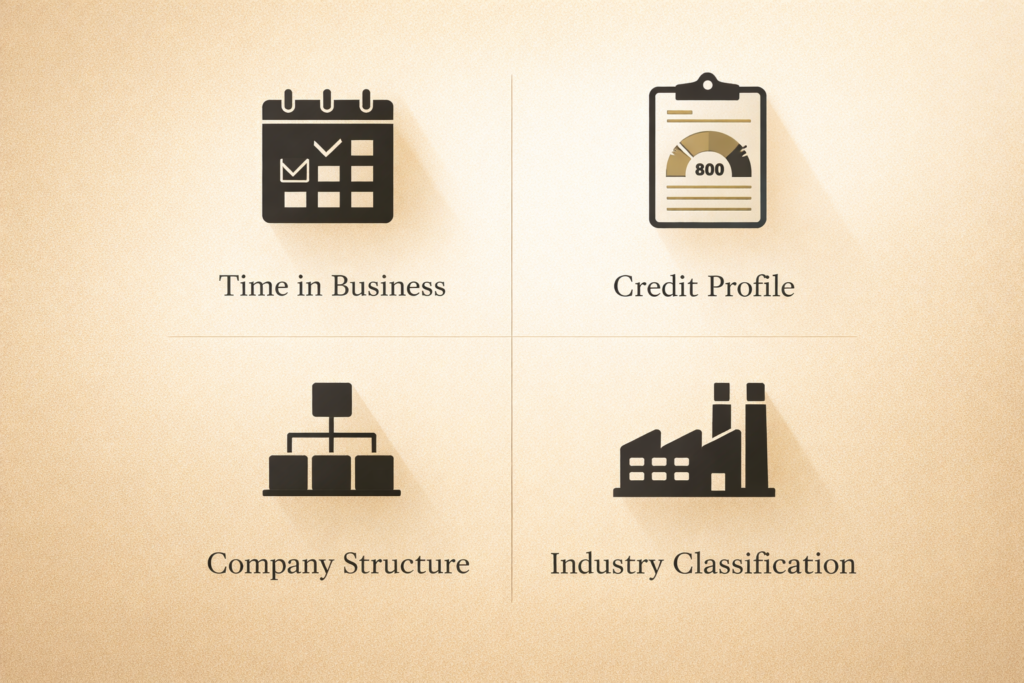
Typical lender considerations include:
| Factor | Why It Matters for Funding |
| Time in business | suggests operational stability |
| Credit profile depth | indicates financial responsibility |
| Company structure | shows legal compliance |
| Industry classification | helps lenders assess risk |
According to the U.S. Small Business Administration, lenders evaluate multiple factors including creditworthiness, repayment ability, and business profile when assessing funding eligibility.
This means business age works best when combined with other credibility indicators.
What Are Aged Shelf Corporations?
Aged shelf corporations are legally formed business entities that were registered in the past, remain active but have never been in operation until ownership transfer.
These companies are sometimes called:
- Seasoned corporations
- Ready-made companies
- Aged Corps
- Shelf Corps
- Aged Corporations
- Shelf Companies
The primary advantage is the existing formation date, which may help create the perception of operational longevity.
Shelf Company vs Shell Company
It is important to understand the difference:
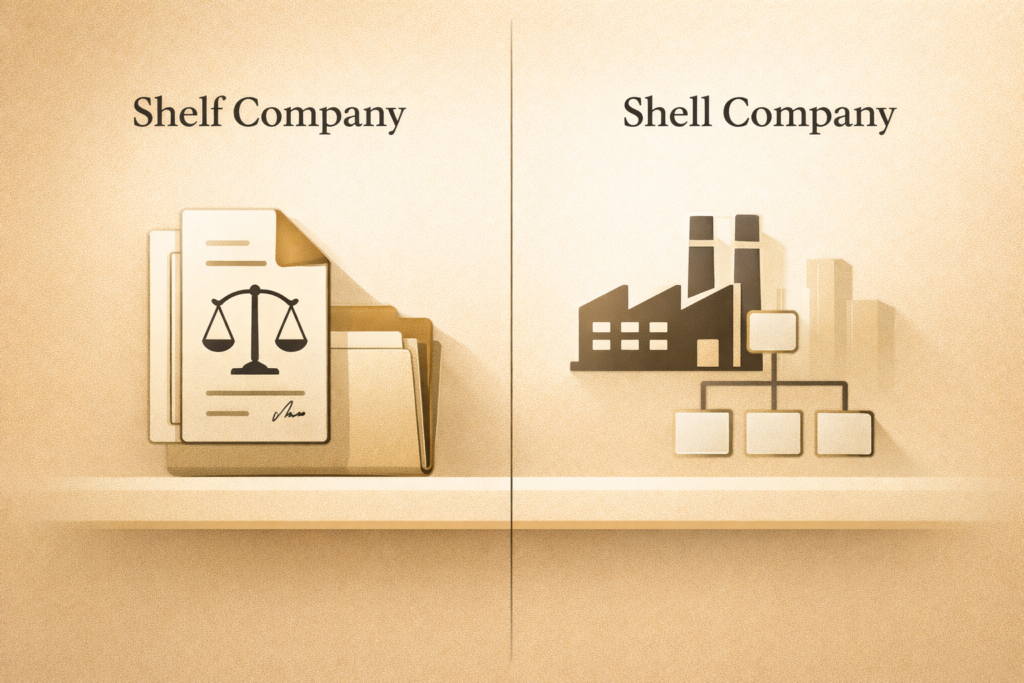
| Term | Meaning |
| Shelf Company | Active company created earlier and maintained in good standing |
| Shell company | Entity without active operations, sometimes used for financial structuring |
A legitimate aged entity typically includes proper documentation such as:
- Filed Articles of incorporation/ Organization
- Certificate of good standing
- Operating Agreement/bylaws
- Company Resolutions
- Registered Agent details
How Aged Shelf Corporations May Support Faster Funding Approval
Using aged shelf corporations for faster funding approval can support credibility positioning when combined with structured business credit development.
Perceived Business Stability
Older entities may appear more reliable because they demonstrate a longer legal presence. Some lenders prefer companies with operational timelines exceeding 2 years.
Stronger Credibility Signals
A business with an established registration date may appear more trustworthy to vendors, lenders, and financial institutions.
Improved Positioning for Business Credit Development
Aged entities may support development of:
- Vendor Accounts
- Business Credit bureau profiles
- Existing Duns Number
These elements may influence funding qualification factors.
Potential Access to Higher Credit Limits
Credit issuers sometimes evaluate company maturity when determining limits for business credit cards or revolving credit accounts.
Key Factors Lenders Evaluate Beyond Business Age
While age matters, lenders rely on broader risk assessment signals.
Business Credit Profile Strength
Credit bureaus such as Dun & Bradstreet, Experian, and Equifax maintain commercial credit records.
Important indicators include:
- Number of Active Commercial accounts
- Balance of all Commercial Accounts
- Ratio of Balance to high credit for commercial accounts
- Mix of Tradeline Account Type
- Payment Trends
- Commercial Account Delinquency in prior 6 months
- Trade Payment Information
- Small Business Financial Trades
- Risk Associated with the Business Type
- Business Inquiries
Compliance and Company Structure
Proper legal setup supports lender confidence.
Examples:
- Certificate of good standing
- EIN Confirmation letter / SS-4
- Operating agreement
- Articles of Organization/ Incorporation
- Corporate bylaws
Operational Credibility Signals
Lenders may review whether a business appears operationally legitimate.
Common signals include:
- Professional website
- Business phone listing
- Business email address
- Consistent business address
- NAICS industry classification
These signals help establish a credible business identity.
Why Clean Company History Matters for Funding Eligibility
A clean corporate background is important when evaluating aged entities.
Lenders may verify whether the company:
- Has no unresolved liabilities
- Has not been dissolved or reinstated
- Maintains continuous compliance
- Shows no conflicting ownership records
Transparent ownership transfer reduces complications during underwriting review.
Common Use Cases Where Aged Corporations May Help Funding Readiness
Certain business activities benefit from credibility signals associated with established entities.
Examples include:
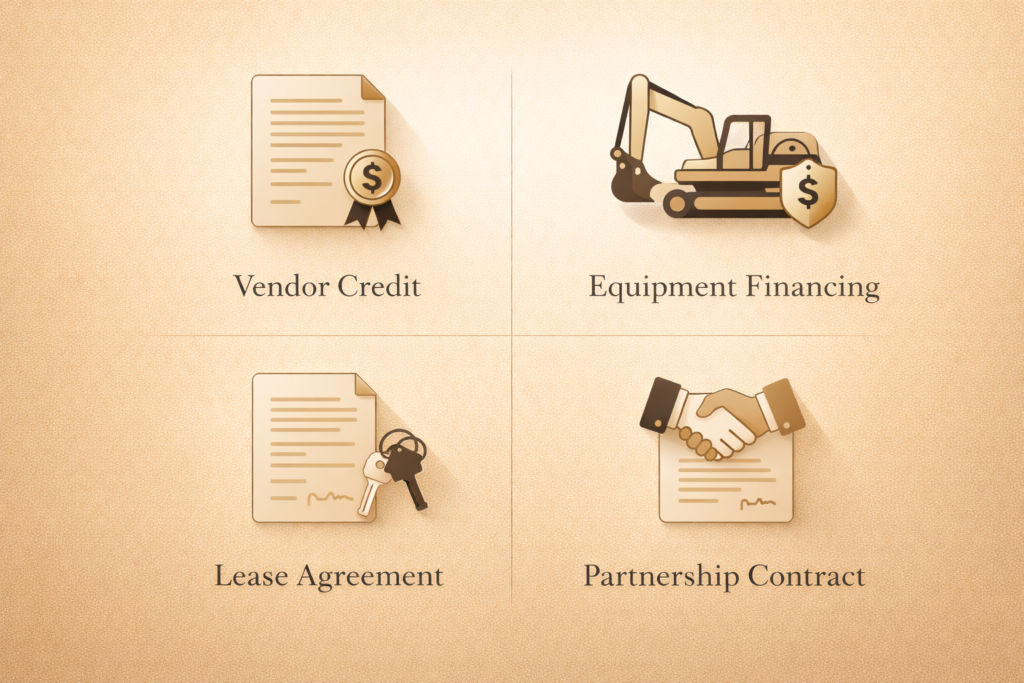
| Use Case | Why Age May Help |
| vendor credit applications | Credibility improves approval chances |
| equipment financing | Stability signals reduce perceived risk |
| commercial lease agreements | Landlords prefer established tenants |
| partnership negotiations | Stronger professional image |
| contract bidding | Some government and private contracts require business history |
These scenarios show how perceived longevity may influence decision-making processes.
Choosing an Aged Shelf Corporation That Supports Funding Goals
Selecting an appropriate entity requires careful evaluation.
Important considerations include:
Verify Good Standing Status
Confirm the entity complies with state requirements.
Review Documentation Completeness
Check formation records and ownership transfer paperwork.
Understand State Formation Benefits
Some states offer different advantages for businesses.
Build Credit Profile After Transfer
Credit activity is typically established after acquisition.
Ensure No Previous Operations
A clean Aged shelf company should have no previous operations.
Aged Shelf Corporations vs Building Business Credit from Scratch
Both approaches can support long-term growth depending on business strategy.
| Factor | Aged Corporation | |
| Startup time | Faster structure and company filing status | |
| Credibility perception | Potentially stronger early impression | |
| Credit-building timeline | May accelerate profile development | |
| Cost considerations | Higher initial investment | |
| Compliance requirements | Meet time in business requirements |
Understanding differences helps entrepreneurs choose appropriate solutions.
Do Aged Shelf Corporations Guarantee Funding Approval?
No financial product guarantees approval.
Funding decisions typically depend on:
- Creditworthiness indicators
- Financial behavior and responsibility
- Compliance status
- Industry risk classification
- Repayment ability
Aged entities may support credibility positioning, but responsible credit management remains essential.
Realistic Perspective: When Aged Corporations Help Most
Entrepreneurs often feel pressure to secure funding quickly.
An aged entity may help when:
- business owners want faster credibility positioning
- lenders prefer established entity timelines
- structured credit-building strategies are used
- compliance documentation is properly maintained
However, long-term success depends on responsible financial management.
Many experienced entrepreneurs acknowledge that credibility develops over time through consistent operations.
Final Thoughts
Using aged shelf corporations for faster funding approval can be part of a broader strategy to strengthen business credibility.While business age may influence perception, lenders typically evaluate multiple financial and compliance factors before approving funding.
Combining structured credit development, operational legitimacy, and transparent compliance practices helps create stronger funding readiness over time.
For buying aged shelf corporations, Visit ” Tradeline Associates”
FAQs
Do aged shelf corporations help get funding faster?
Aged shelf corporations may improve credibility signals because lenders often consider time in business when evaluating applications. However, funding approval depends on credit profile strength and financial responsibility.
Do lenders verify company age?
Yes, lenders typically verify formation date with the Secretary of State where the business was formed.
Can aged corporations improve business credit eligibility?
An aged entity may support credibility perception, but business credit eligibility usually depends on Business Credit Reports, Ttradelines, payment history, and financial activity.
Do aged shelf corporations come with credit history?
Most aged corporations do not include existing credit history even though some vendors/ Sellers may claim they do come with existing credit. Business credit is generally built after ownership transfer of the company.
Are aged shelf corporations legal?
Yes, aged shelf corporations are simply legal entities established/ formed in the past that have sat dormant but all state requirements and filings fees are paid and up to date.
Is business age enough for loan approval?
No. Lenders evaluate multiple factors including business credit profile, personal credit profile, financial stability, repayment ability, and compliance structure.