
How Much Does an Aged Shelf Corporation Cost in 2026?
Aged shelf corporations typically cost between $800 and $12,000+, depending mainly on the entity’s age. Entry-level 1–2 year entities start around $800–$1,500, while premium 10+ year corporations with the strongest credibility for institutional lending and government contracts run $6,000–$12,000 or more. State of formation, entity type (LLC vs. corporation), and what’s included in the transfer package all move the price within that range.
That’s the short answer. Below is the full breakdown — by age, by state, by what you’re actually paying for, and how that price compares to just forming a new entity yourself — so you know exactly what a fair price looks like before you buy.
What Determines the Price of an Aged Shelf Corporation
Four factors move the price of an aged shelf corporation up or down:
- Age of the entity: The single biggest price driver. Older entities have a longer continuous good-standing history, which is what lenders and vendors actually look at.
- State of formation: States with stronger privacy protections and lender recognition (like Wyoming) tend to command a premium over lower-cost filing states.
- Entity type: LLCs and corporations are usually priced similarly at the same age, though corporations can carry a slight premium in states requiring more formal upkeep.
- What’s bundled into the sale: Registered agent service, certified documents, and written no-liability guarantees should already be included, not billed as add-ons.
If you want to see how this plays out in practice, our aged shelf corporations for sale inventory page breaks down current pricing by exact age and state.
Pricing by Entity Age
|
Entity Age |
Typical Price Range | Best Used For |
|
1–2 Years |
$800 – $1,500 | Vendor accounts, basic business credibility |
|
3–4 Years |
$1,500 – $2,500 | Store credit, business leases, vendor programs |
|
5 Years (most requested) |
$2,500 – $4,500 |
Business credit cards, SBA programs, financing |
| 7–9 Years | $4,000 – $7,000 |
Institutional lending, premium vendor terms |
| 10+ Years | $6,000 – $12,000+ |
Government contracts, maximum credibility, large facilities |
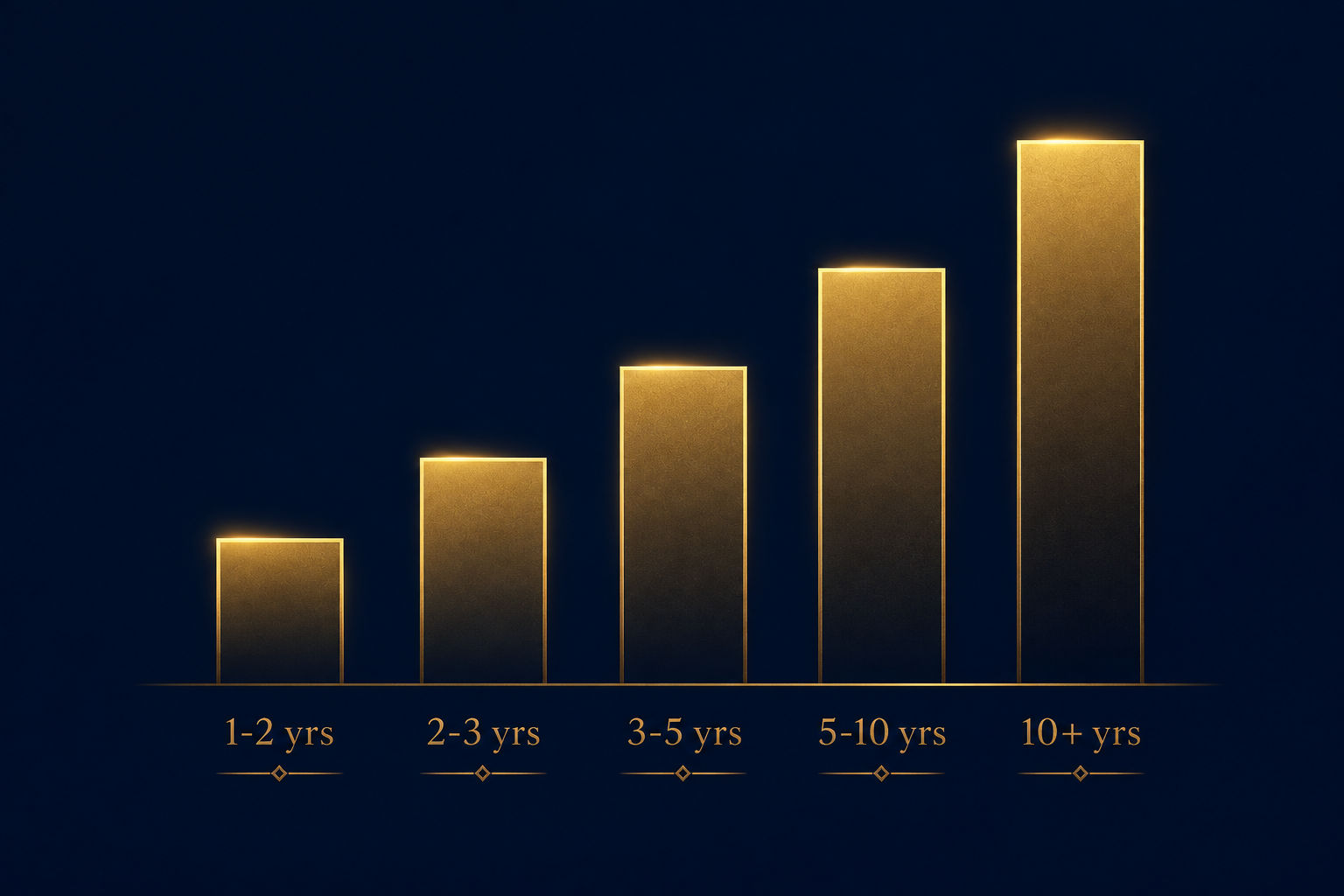
Five-year-old entities tend to sit at the sweet spot, old enough to clear most lenders’ minimum age thresholds, without paying the premium attached to 10+ year entities. If you want the full case for why, see our breakdown of the 5 year old shelf company and how it compares to the 10 year old shelf company tier.
Pricing by State
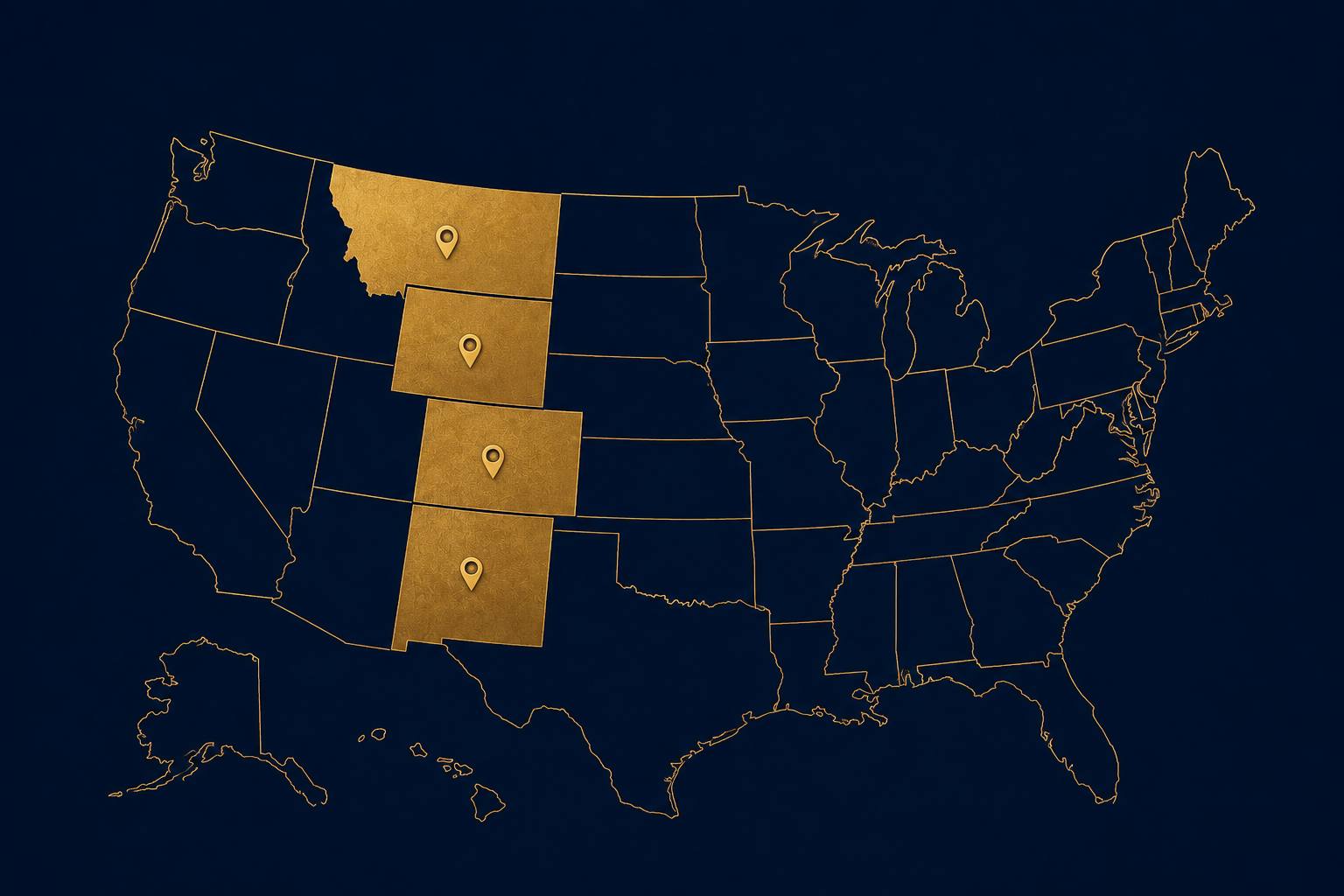
Not every state costs the same to hold, and that shows up in the resale price.
| State | Why It’s Priced This Way |
| New Mexico | Lowest holding cost; no annual report and no state maintenance fee, so entities are usually priced at the lower end of their age bracket. |
| Montana | Low-cost annual maintenance and strong lender credibility keep pricing competitive. |
| Colorado | Modern filing system and wide lender recognition; priced mid-range. |
| Wyoming | Commands the highest premium; ranked the #1 most business-friendly state, with the strongest LLC asset protection law in the U.S. and no state corporate income tax. |
See current inventory across all four states on our aged shelf companies page.
LLC vs. Corporation — Does It Cost More?
At the same age, LLCs and corporations are usually priced the same. The cost difference shows up after the sale, not at checkout:
- LLCs are cheaper to maintain long-term — no formal board, minutes, or annual resolutions required in most states.
- Corporations cost more to maintain (annual minutes, officer records) but are sometimes preferred for government contracting or institutional financing where a formal corporate structure is expected.
If you’re weighing which structure fits your goals, our buy shelf companies guide walks through the process for both.
Aged Shelf Corporation vs. Forming a New LLC: A Real Cost Comparison
This is the comparison most buyers actually need to make before they spend anything. Forming a brand-new LLC yourself costs far less upfront, state filing fees alone typically run $50–$500 depending on the state. So why would anyone pay $2,500+ for an aged entity instead?
The answer is time, not money. A new LLC has zero history. Most lenders, vendors, and SBA-adjacent financing programs have minimum age-in-business requirements — often 2 years, sometimes longer — before they’ll extend meaningful credit. A new entity has to sit and age for years before it qualifies for the same programs a 5-year-old shelf corporation already qualifies for on day one.
|
Factor |
New LLC (Formed Today) | Aged Shelf Corporation |
|
Upfront Cost |
$50 – $500 | $800 – $12,000+ |
|
Time to Meet 2-Year Lender Minimums |
24 months of waiting |
Immediate |
| Credit-Building Head Start | None |
Formation date already established |
| Best For | Buyers with time and no urgency |
Buyers who need lender/vendor eligibility now |
If your timeline allows it, forming new is objectively cheaper. If you’re trying to hit an SBA program, a vendor credit line, or a contract eligibility window this year, the aged entity’s price is effectively buying back the years you don’t have to wait.
What Should Be Included in the Price
A fair price should already include, with no hidden add-ons:
- Original formation documents (not copies)
- Multiple certificates of good standing
- Operating agreement or bylaws
- Signed resolutions authorizing the ownership transfer
- First-year registered agent service
- A written guarantee of no prior EIN, debt, or business activity
If a seller quotes a low price and then adds fees afterward, you’re not actually getting a lower price — you’re getting a lowball quote. Entities that already come with an EIN and credit history are priced and evaluated differently; see our page on shelf companies with EIN and shelf companies with credit if that’s what you’re shopping for instead.
Hidden Fees to Watch For

Beyond the sticker price, ask about these before you pay, they’re where “cheap” listings quietly become expensive:
- Document release fees. Some sellers hold original documents hostage behind a second charge after the sale is “complete.”
- Second-year registered agent renewal. Standard and expected, but confirm the price now (typically $100–$200/year) so it isn’t a surprise.
- Rush transfer fees. If you need documents same-day instead of the standard 24–48 hours, some providers charge extra.
- Corporate binder/kit fees. A physical binder with seals and certificates is sometimes billed as a $100–$150 add-on rather than included.
- State foreign-qualification fees. If you plan to register the entity to do business in a state other than where it was formed, that’s a separate state filing fee, not part of the shelf company’s price.
None of these are red flags on their own. The red flag is when they aren’t disclosed until after you’ve already paid.
Three Real-World Pricing Scenarios
Scenario 1:
The vendor-credit builder. A new e-commerce business wants to open net-30 vendor accounts without waiting two years. A 2-year New Mexico LLC at roughly $1,000–$1,500 clears most vendor minimum-age requirements immediately.
Scenario 2:
The SBA applicant. A contractor wants to apply for SBA-backed financing that requires two years of time-in-business. A 5-year Colorado or Montana entity in the $2,500–$4,500 range comfortably clears that threshold with a buffer.
Scenario 3:
The government contractor. A business pursuing a state or federal contract that requires an established, multi-year corporate history opts for a 10+ year Wyoming corporation at $6,000–$12,000 — the age itself is the qualifying credential.
The right price point isn’t “cheapest available” it’s whichever tier actually clears the specific age requirement you’re trying to meet. Paying for more age than you need wastes money; paying for less than you need defeats the purpose entirely.
Total Cost of Ownership: Year One vs. Ongoing
The purchase price isn’t the only number to budget for. Here’s what ownership typically looks like after the sale:
| Cost | Year One | Ongoing (Year Two+) |
| Purchase price | $800 – $12,000+ | — |
| Registered agent | Included | $100 – $200/year |
| State annual report (varies by state) | Included in most states | $0 – $200/year depending on state |
| EIN application (if not already included) | $0 (free via IRS) | — |
New Mexico entities carry the lowest ongoing cost since the state doesn’t require an annual report at all — a detail worth weighing if you’re planning to hold the entity for several years rather than transfer it again quickly.
Is the Extra Cost Actually Worth It?
It depends entirely on your timeline. If you have two-plus years before you need lender or vendor eligibility, forming new and waiting is the cheaper path, full stop. If you’re trying to hit a financing window, a contract deadline, or a credit-building program within the next several months, the premium on an aged entity is functionally the price of the time you’re buying back — not an arbitrary markup.
Red Flags: When a “Deal” Is Too Good

Before paying for any aged shelf corporation, regardless of who you buy from, verify:
- The entity’s good standing directly on the Secretary of State’s website — this is free and takes minutes.
- Full filing history, since a single lapse or dissolution breaks the formation-date continuity that’s the entire point of buying “aged.”
- A written no-prior-EIN and no-liability guarantee before you pay, not after.
A price that’s dramatically below range for its stated age is the most common sign something in the entity’s history doesn’t check out.
Frequently Asked Questions
How much does a 5-year-old shelf corporation cost?
Typically $2,500–$4,500, depending on the state of formation and entity type.
Why do older shelf corporations cost more?
Because the price reflects continuous good-standing history, which is what lenders and vendors actually evaluate — not the entity’s activity, since shelf corporations have none by design.
Is Wyoming more expensive than New Mexico for a shelf corporation?
Generally yes. Wyoming’s stronger asset-protection law and lender recognition command a premium over New Mexico, which is priced lower due to its no-annual-report, no-maintenance-fee structure.
Does an LLC cost less than a corporation?
At the point of sale, usually not — pricing is driven mostly by age and state. The cost difference between LLCs and corporations shows up in ongoing annual maintenance, not the purchase price.
What’s a fair price for a 10-year-old shelf corporation?
$6,000–$12,000+, depending on state and documentation included. Entities used for government contracting or institutional lending sit at the higher end of that range.
Is it cheaper to just form a new LLC instead of buying aged?
Yes, upfront — a new LLC costs $50–$500 in state filing fees. The aged entity’s price is buying immediate eligibility for lender and vendor age requirements you’d otherwise wait years to meet.
Are there ongoing costs after buying an aged shelf corporation?
Yes — typically a registered agent renewal ($100–$200/year) and, depending on the state, an annual report fee. New Mexico has no annual report requirement, which keeps ongoing costs lowest.
What hidden fees should I ask about before buying?
Document release fees, rush transfer fees, second-year registered agent costs, and any state foreign-qualification fees if you plan to use the entity outside its formation state.
Ready to see exact pricing on what’s currently available?
Our inventory changes regularly across New Mexico, Colorado, Wyoming, and Montana. Browse current aged shelf corporations for sale →