
Clean Aged Shelf Company vs Dirty Shelf Corporation: What Lenders Really See
If you are thinking about buying an aged shelf company to build business credit or qualify for funding faster, you are making a smart move — but only if you buy the right one. The difference between a clean aged shelf company vs dirty shelf corporation is not just a technicality. It is the difference between getting funded and getting silently rejected over and over without knowing why.
This guide breaks down exactly what makes a shelf company clean or dirty, what lenders actually check, and how to protect yourself before you spend a dollar.
What Is an Aged Shelf Company?
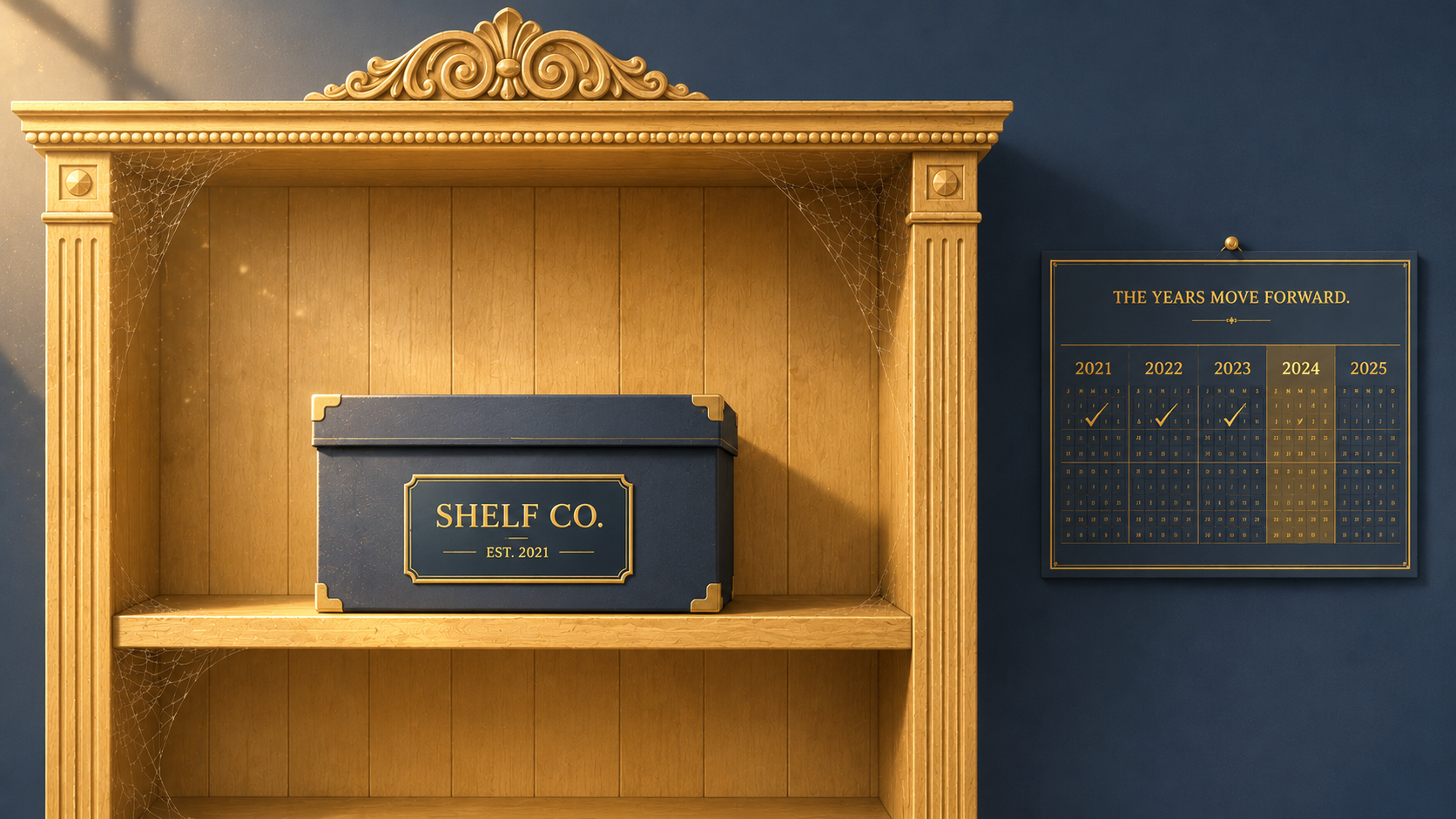
An aged shelf company (also called a shelf corporation) is a legally registered business entity that was formed in the past and kept inactive — “on the shelf” — until someone purchases it. The primary motivation for purchasing them is to acquire immediate credibility in the corporate world.
Why does that matter? According to Nav, most lenders will not extend credit to companies less than two years old. An aged entity lets you meet that threshold on day one, rather than waiting years to build it organically.
But here is the problem nobody talks about upfront: not all shelf companies are the same. Some are spotless. Others carry hidden baggage that will quietly destroy your funding chances before you even understand what went wrong.
Clean Aged Shelf Company: An Overview
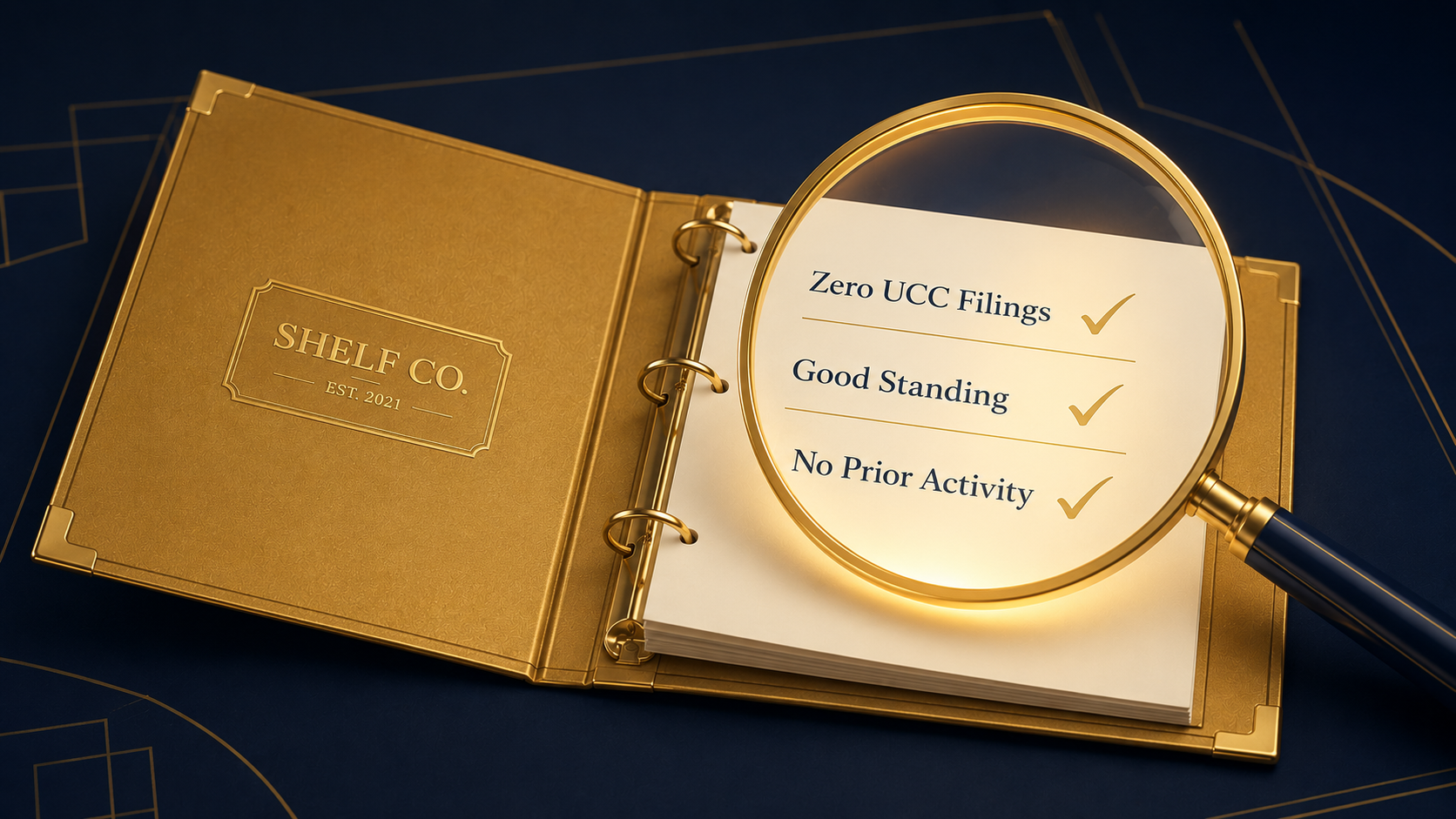
A truly clean aged shelf company has one defining characteristic — zero prior activity since its formation. That means:
- No revenue was ever generated under the entity
- No bank accounts were opened in its name
- No loans, merchant cash advances, or lines of credit were taken out
- No UCC-1 financing statements were filed by any lender
- No employees were ever on payroll
- No tax obligations exist beyond the state’s annual maintenance filings
- The company has been maintained in continuous good standing every single year with no gaps or lapses
When you take ownership of a clean shelf entity, what you receive is a verified formation date, an unbroken compliance record, and a completely unburdened business profile. Lenders reviewing your file see an established entity with nothing negative attached to it. That is the foundation you need to start building business credit the right way.
Dirty Shelf Corporation: What It Actually Looks Like
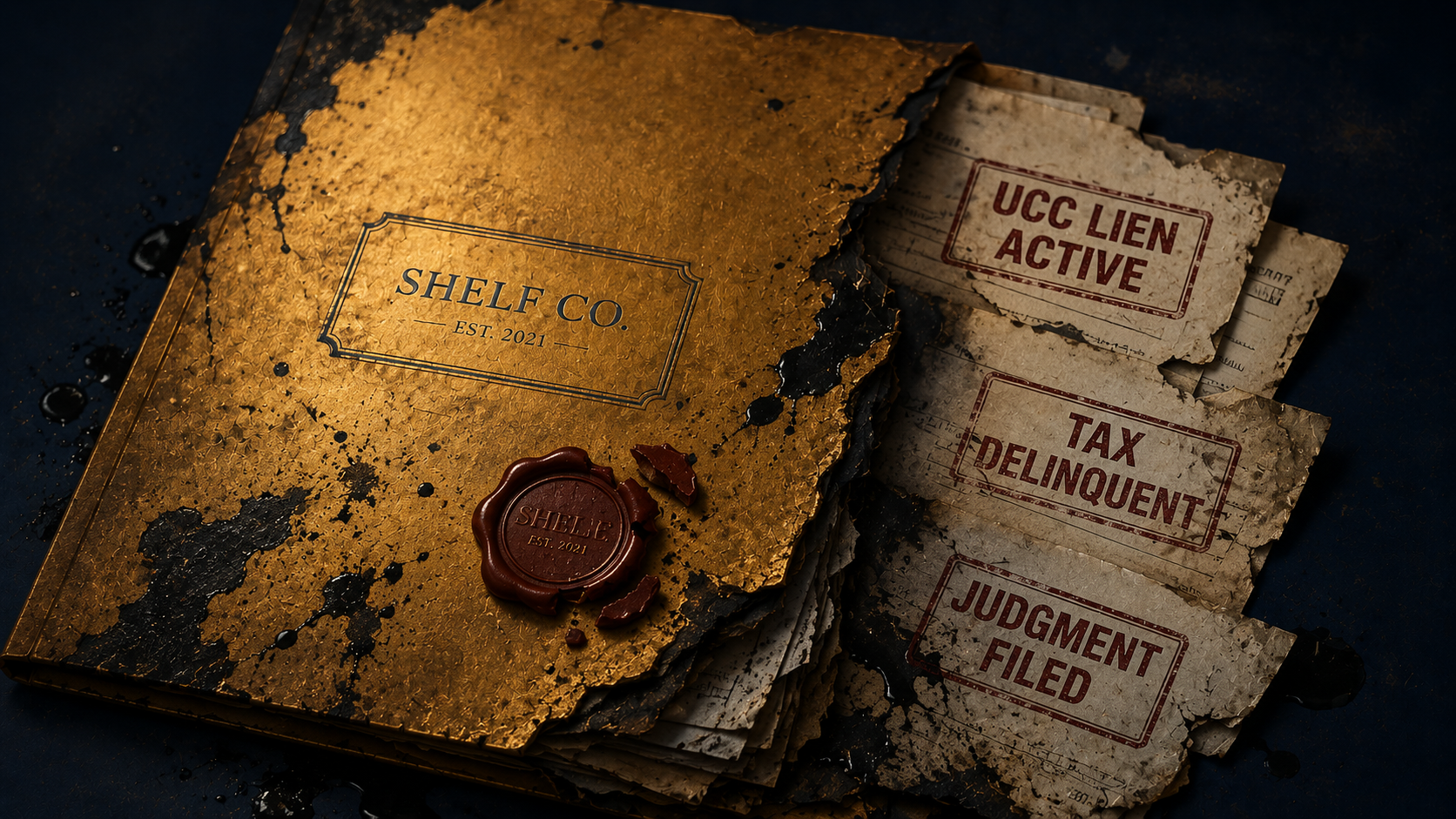
A dirty shelf corporation is one with prior activity of some kind lurking in the background — sometimes visible on the surface, sometimes buried in records that only a lender’s underwriting team will dig up.
Common Signs of a Dirty Shelf Corporation
Unresolved UCC-1 Liens:
This is the most damaging hidden problem. When a previous owner took out a merchant cash advance or a secured loan, the lender filed a UCC-1 financing statement with the Secretary of State. If the loan was repaid but the lender never filed a UCC-3 termination, that lien is still on the public record — and it transfers to you with the company. According to credible legal resources, lenders who see an active blanket lien know that another creditor already holds first-position rights on all business assets. The majority of lenders won’t finance a company in that situation. They decline, and they rarely explain why.
Tax Liabilities and Unfiled Returns:
If the previous owner actually operated the business and left behind unpaid IRS balances or unfiled state returns, those obligations follow the entity, not the person. The moment you take ownership, the tax history becomes yours to deal with.
Lapses in Good Standing:
A company that was allowed to fall out of good standing — even briefly — and was later reinstated has a visible gap in its compliance record. Lenders trained to look for shelf corporation schemes know exactly what this gap means. It breaks the continuity narrative and raises immediate red flags.
Collections and Judgments:
Unpaid vendor accounts that went to collections, or civil judgments filed against the business, appear on business credit reports from Dun & Bradstreet, Experian Business, and Equifax Business. These do not disappear when the company changes hands.
What Lenders Actually Check When You Apply
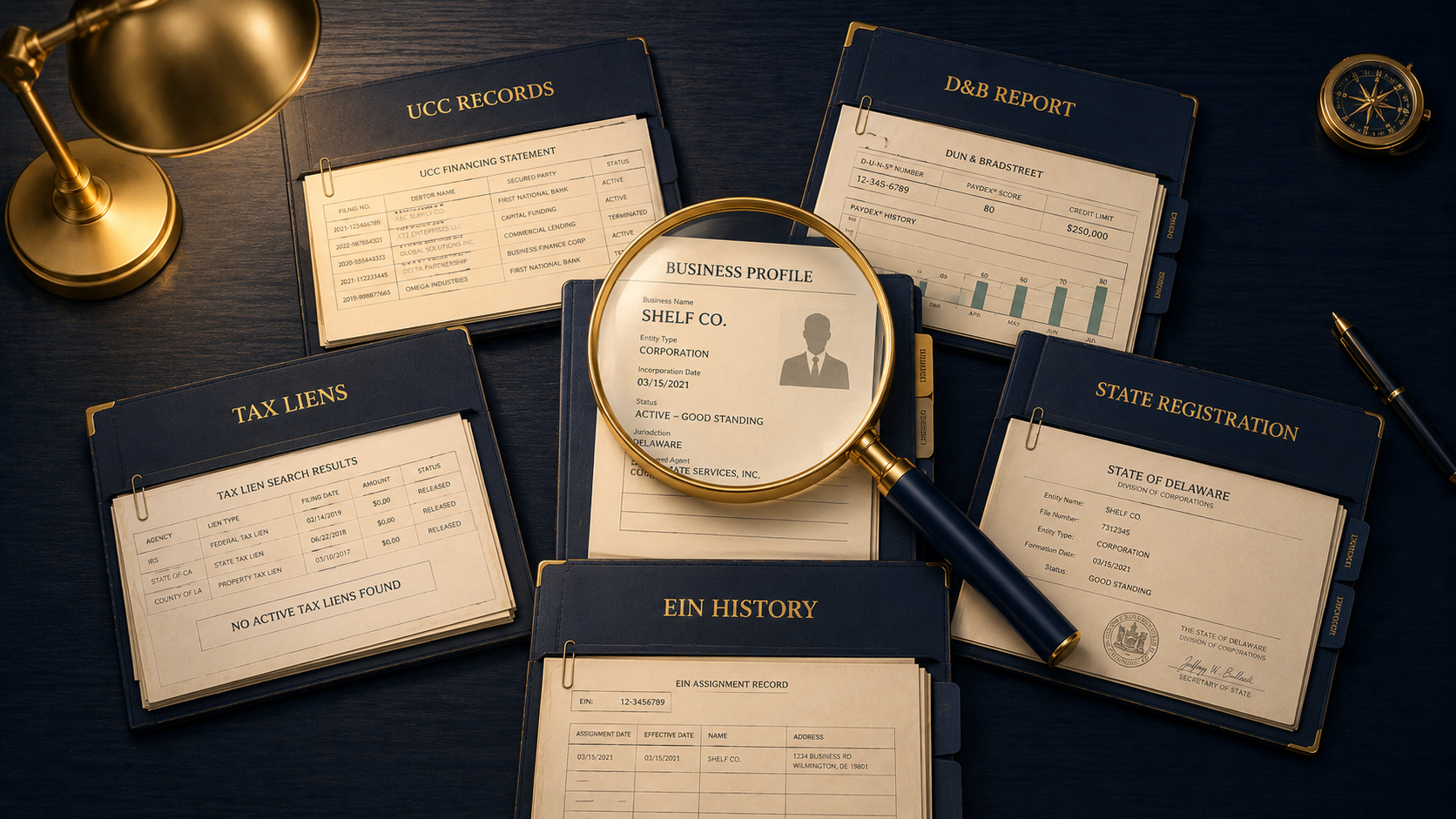
This is where it gets real. When you submit a business funding application, lenders do not just run your personal credit. They run a full business profile investigation. Here is what that includes:
| What Lenders Check | Where They Look |
| UCC filings (active liens) | Secretary of State public records |
| Business credit history | Dun & Bradstreet, Experian Business |
| Good standing status | State registration database |
| Tax liens and judgments | IRS records and court filings |
| Time-in-business verification | State formation date on record |
| EIN history | IRS Business & Specialty Tax Line |
If anything in that list comes back with a problem, lenders see it immediately. You do not. That asymmetry is what makes buying a dirty shelf corporation so dangerous. You apply, you get declined, you apply again somewhere else, and the same invisible problem kills the application again.
The Silent Rejection Problem
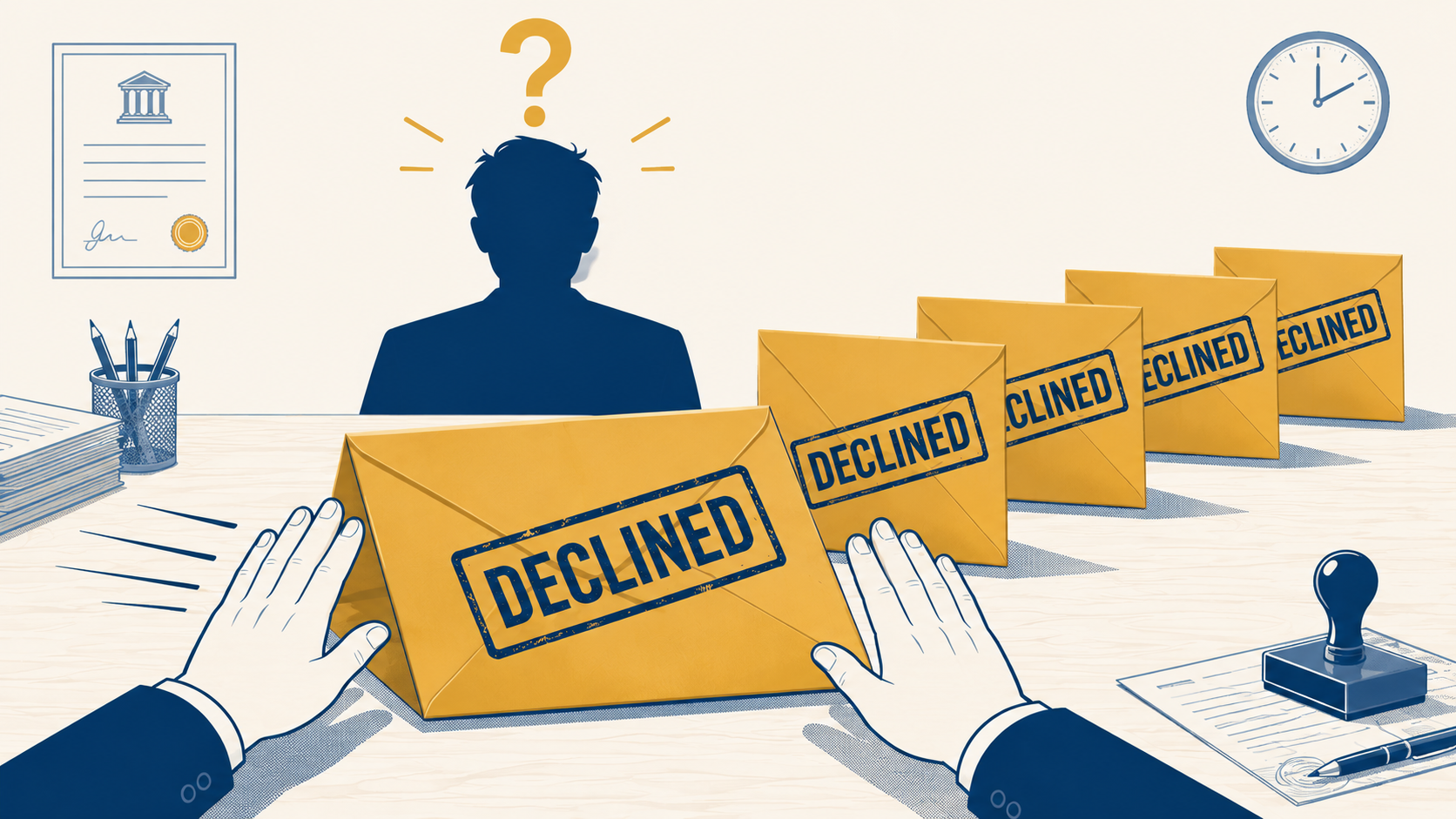
This is the part of the story that experienced funding professionals see all the time but rarely get explained to clients. A dirty shelf corporation does not just hurt one application. It creates a pattern of quiet declines where you keep investing time, filling out paperwork, and sometimes paying application fees — all while the same underlying problem is tanking every attempt.
How to Verify a Shelf Company Before You Buy
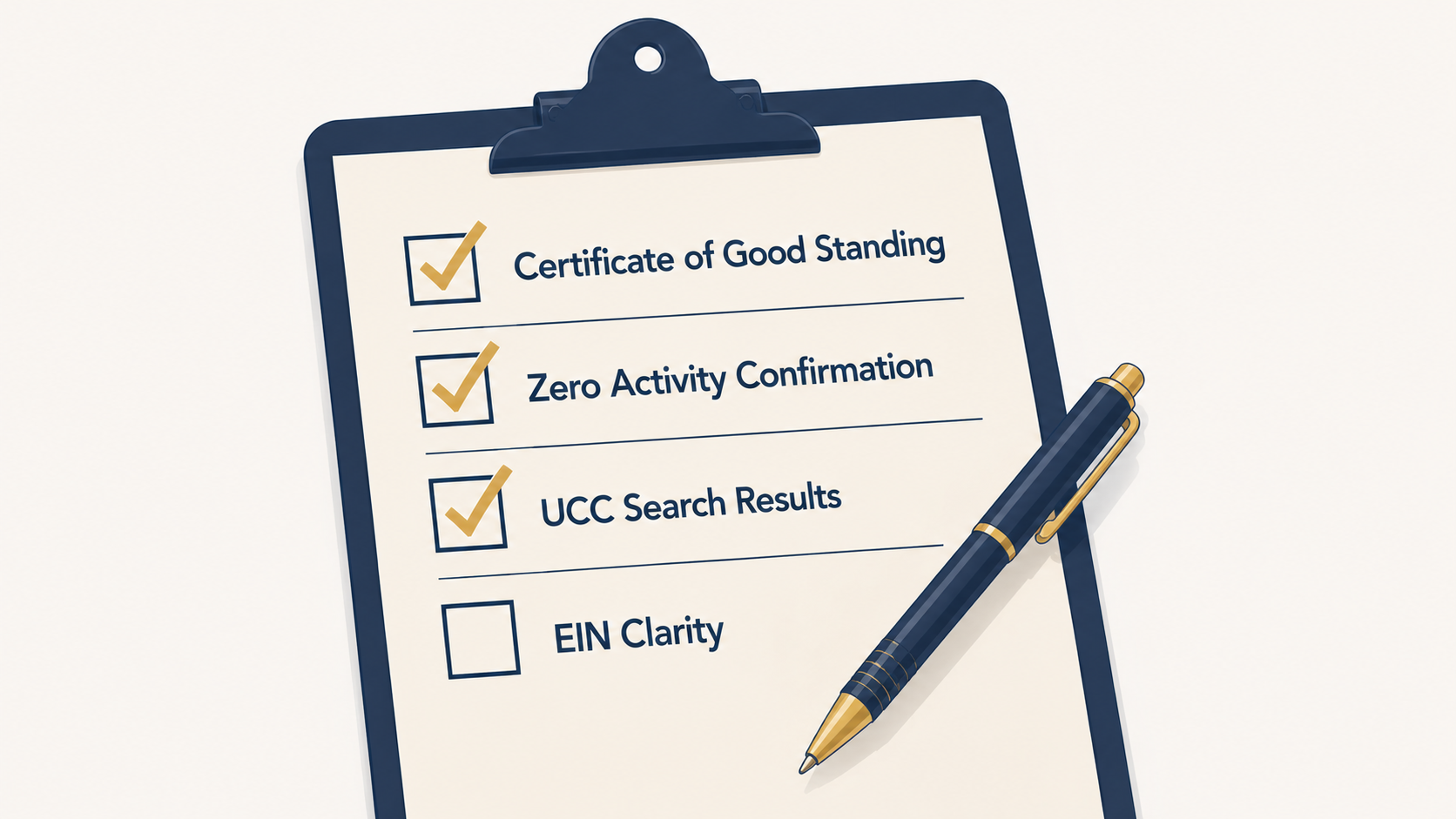
Before you transfer any money to a shelf company provider, you need documentation. Any legitimate provider should be able to give you all of the following without hesitation:
Four things you must verify:
- Certificate of Good Standing — A current, state-issued document confirming the entity has been continuously active since formation. Check the date carefully. Any reinstatement history is a red flag.
- Written confirmation of zero prior activity — The provider should put in writing that no bank accounts, loans, UCC filings, or business operations have ever been conducted under the entity.
- Independent UCC search — Do not take the provider’s word for it. Go directly to your state’s Secretary of State website and search the entity name yourself. This search is public and usually free.
- EIN clarity — Understand how the EIN is being handled. A fresh EIN obtained after the transfer keeps the entity’s tax history completely clean and disconnected from any prior owner.
Why About 40% of “Clean” Shelf Companies Are Not Actually Clean
Industry insiders estimate that roughly 40% of aged shelf companies marketed as clean actually have hidden issues. Some sellers genuinely do not know the full history of the entity they acquired. Others know exactly what the records contain and count on buyers skipping due diligence.
Either way, the buyer carries the consequences. That is why independent verification — not just the provider’s assurances — is non-negotiable before any transfer is complete.
Real example: A small business owner purchases a 3-year-old shelf LLC listed as “completely clean.” Three months later, every lender declines her working capital application. An independent UCC search she finally runs herself reveals a blanket MCA lien the previous owner never terminated. The provider had no documentation of it. She is now responsible for resolving a lien on a loan she never took out.
Clean vs Dirty: Side-by-Side Comparison
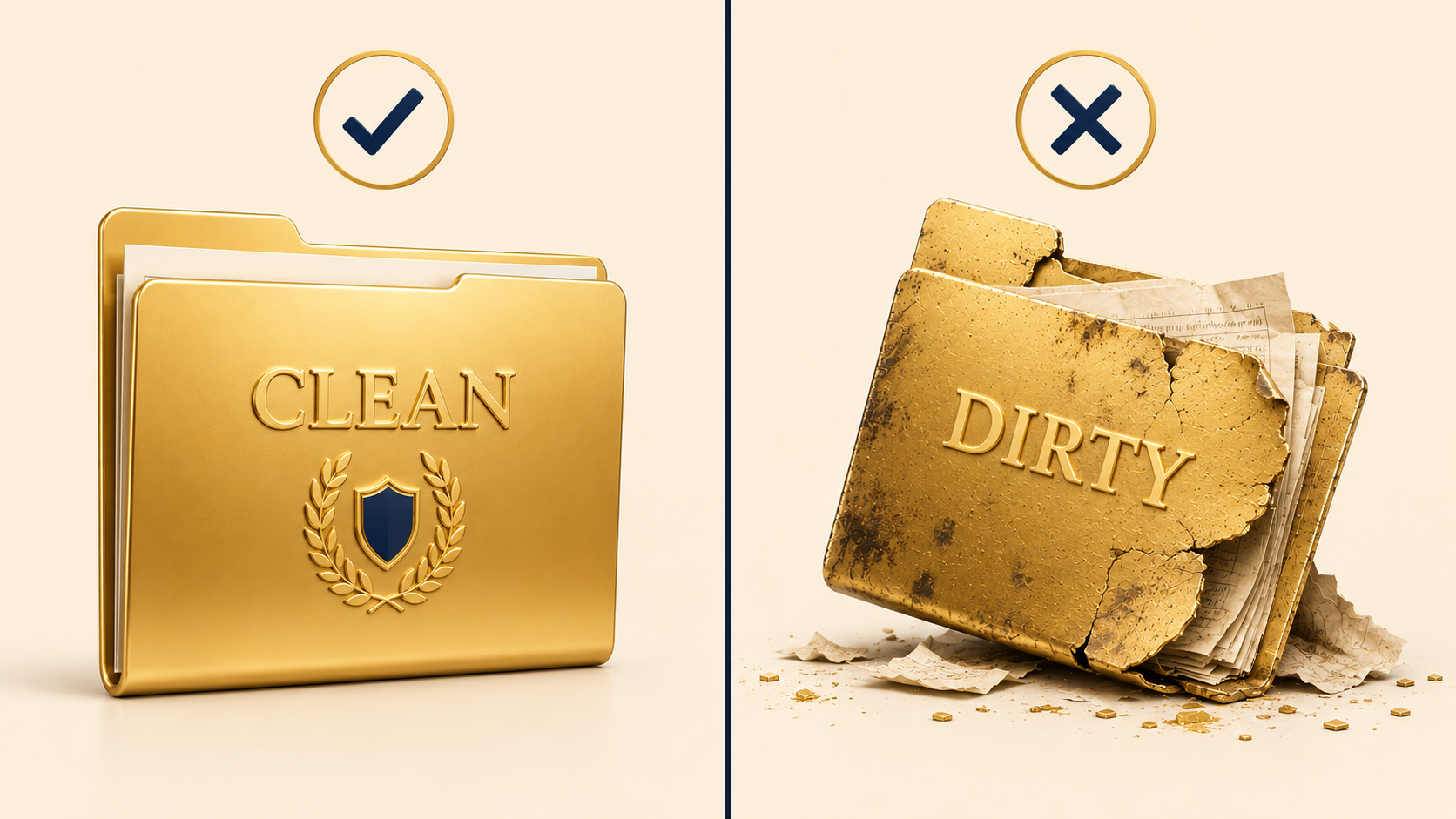
| Feature | Clean Shelf Company | Dirty Shelf Corporation |
| UCC filings | None | May have active liens |
| Tax history | Zero | Possible unpaid obligations |
| Good standing | Unbroken since formation | May have reinstatement gaps |
| Business credit records | Blank / fresh | May carry negative history |
| Lender risk profile | Low | High — often causes silent declines |
| Due diligence required | Basic verification | Extensive — often still risky |
The Real Cost of Going Cheap
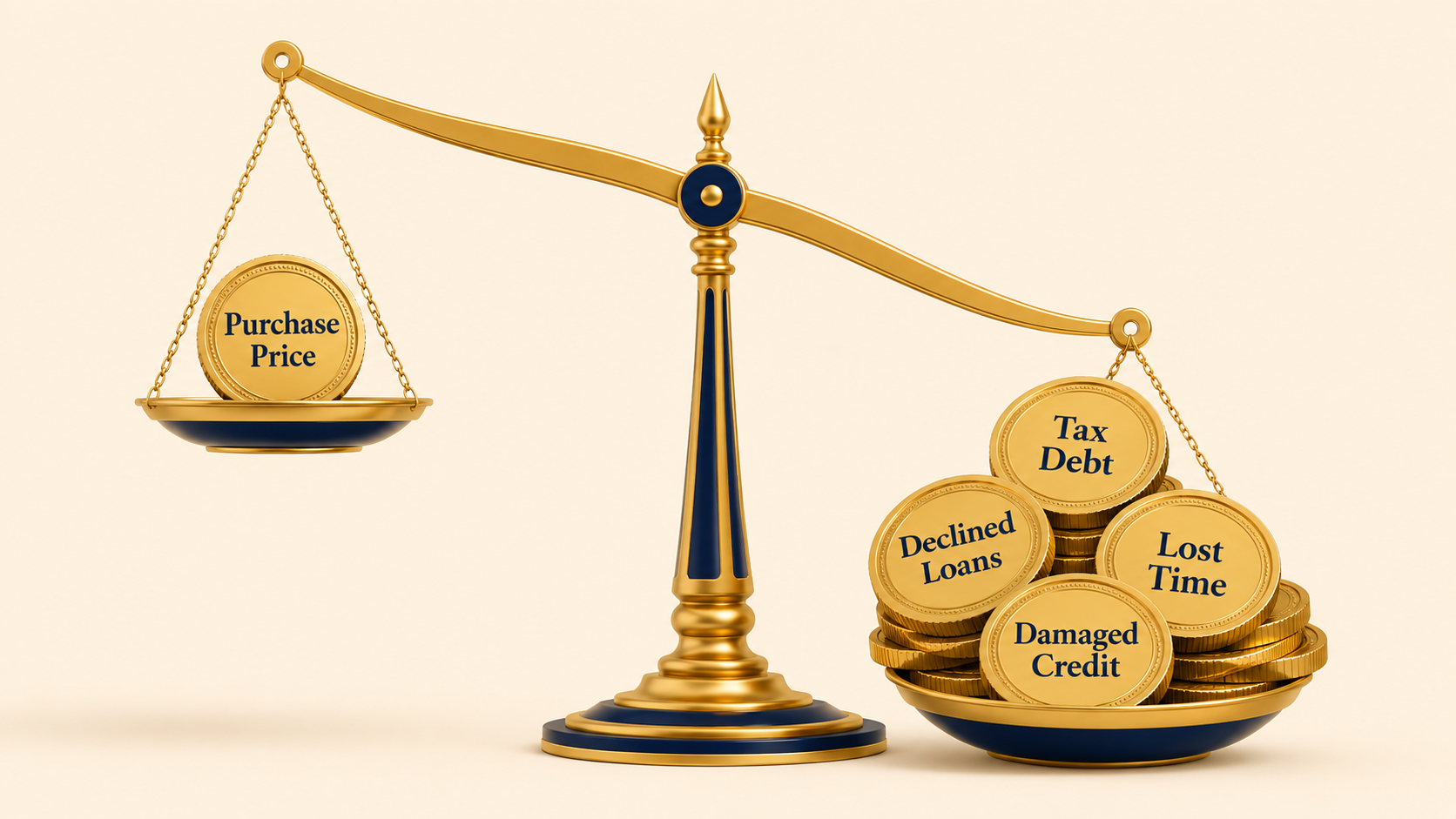
A lot of buyers focus entirely on price when comparing shelf companies. The cheaper option looks appealing, especially when money is already tight. But the true cost of a dirty shelf corporation is not in the purchase price — it is in everything that follows.
- Every declined loan application costs you time you cannot get back
- Inherited tax liabilities can dwarf what you saved on the purchase
- Damaged business credit profiles take months or years to rebuild
- Building business credit from scratch with a clean entity is always a faster path than repairing one that came broken
The upfront price difference between a clean shelf company and a dirty one is nothing compared to those downstream costs.
FAQs: Clean Aged Shelf Company vs Dirty Shelf Corporation
Q: Can a dirty shelf corporation be cleaned up after purchase?
It depends on the issue — UCC liens can sometimes be terminated, but tax debts and judgment records are harder to resolve and can take months while blocking your access to funding during that entire period.
Q: Do lenders always know when a shelf company changes hands?
Not immediately, but business credit bureaus monitor for ownership changes. If they identify the pattern of a shelf corporation transaction, they may reset the company’s credit age to the date of transfer rather than the original formation date.
Q: Is it legal to buy a shelf company to qualify for business credit?
Buying a legitimate aged shelf company is legal. The key is transparency — the entity’s real formation date, not a backdated one, must be used, and the company must be operated as a genuine business going forward.
Q: What is the difference between a shelf company and a shell company?
A shelf corporation is established lawfully and kept hygienic for authorized use in the future. A shell company is typically used to hold assets or obscure ownership — often with no intent of real business operations. They are very different legally and in how lenders view them.
Q: How do I search for UCC filings on a shelf company?
Visit your state’s Secretary of State website and use their UCC search tool. Search the exact legal name of the entity. The search is public and usually free, and it shows all active financing statements filed against that business name.
The Bottom Line
The difference between a clean aged shelf company vs dirty shelf corporation is not subtle. One is a legitimate business tool that gives you a verified, unburdened time-in-business foundation. The other is a liability packaged to look like an asset — and lenders will find every problem it carries long before you do.
Do your due diligence, demand documentation, and run the UCC search yourself. Your business funding future depends on getting this right the first time.