
Most Business Owners Build Credit Wrong – Here Is Why
You can do everything right on paper — open vendor accounts, pay on time, keep utilization low — and still get denied for funding. Not because your credit is bad, but because you built it on the wrong foundation, or skipped a step that a lender quietly requires before they even look at your scores.
If you want to build business credit step by step and get funding approved, the sequence matters as much as the actions themselves. This guide covers everything in the right order — because skipping step two to get to step four is how applications stall right when you need them to move.
The Distinctions Between Personal and Business Credit
Before diving into the steps, one thing needs to be clear. Business credit and personal credit are completely separate systems. Personal credit is tracked by Equifax, Experian, and TransUnion. Business credit is tracked by Dun & Bradstreet, Experian Business, and Equifax Business.
Lenders who review business funding applications often check both. According to a 2025 Intuit QuickBooks Small Business Financing Report, small businesses using business financing instead of personal funds are almost twice as likely to be in an active growth phase — 54% versus 28%. That gap exists because businesses with strong commercial credit profiles access better terms, higher limits, and more program options than businesses relying solely on the owner’s personal score.
Building a strong commercial credit profile is not optional if you are serious about funding. It is the cornerstone upon which all else rests.
The Step-by-Step Plan to Build Business Credit That Gets You Approved
Step 1: Separate Your Business Identity From Your Personal Identity
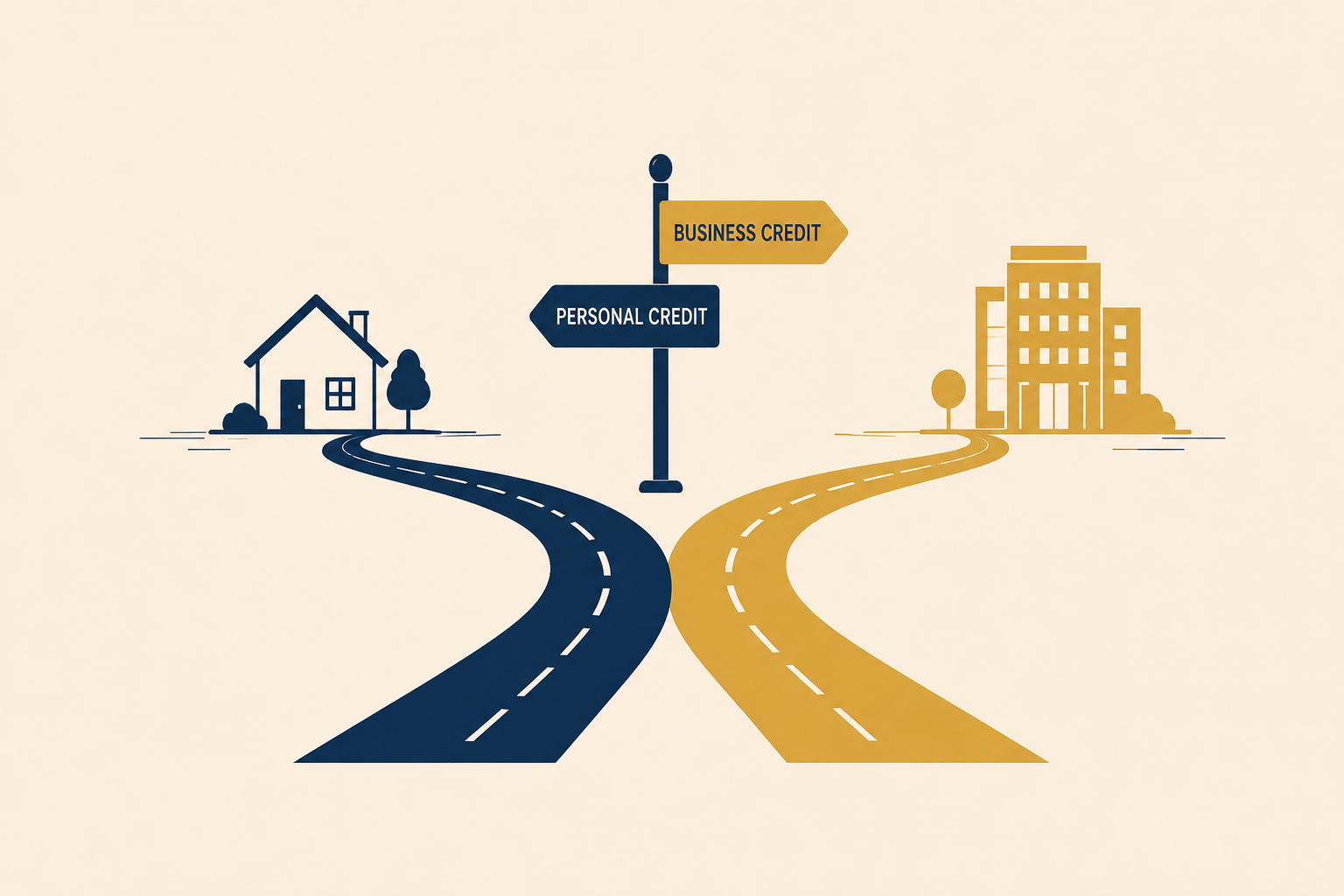
This step has nothing to do with credit scores — and that is exactly why most people skip it. Lenders do not just check your scores. They verify your business exists as a real, independent entity before they evaluate anything else.
That means your business needs to be registered with your state as an LLC or corporation, operate from a dedicated business bank account used only for business transactions, have a business phone number listed in a public directory, and use a business email tied to your own domain — not a Gmail or Yahoo address.
A business that cannot be found in a directory, mixes personal and business finances, or uses a free email account sends quite rejection signals through lender verification systems before your credit file is ever opened. Get this foundation right first, and every step that follows produces better results.
Step 2: Obtain Your DUNS Number and EIN
Why Your EIN Matters for Commercial Credit
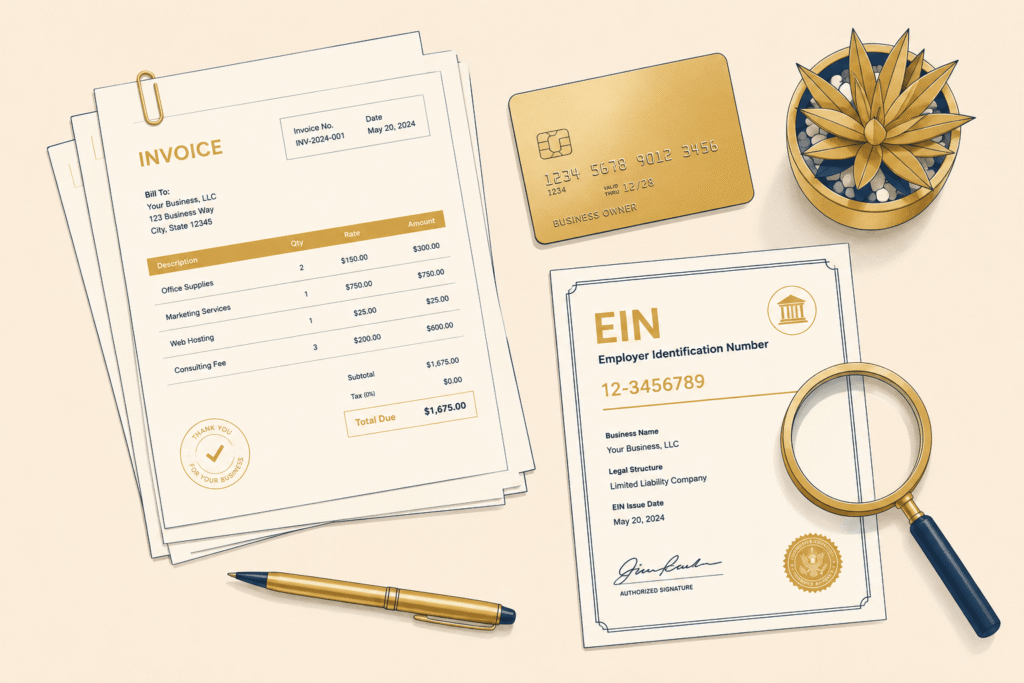
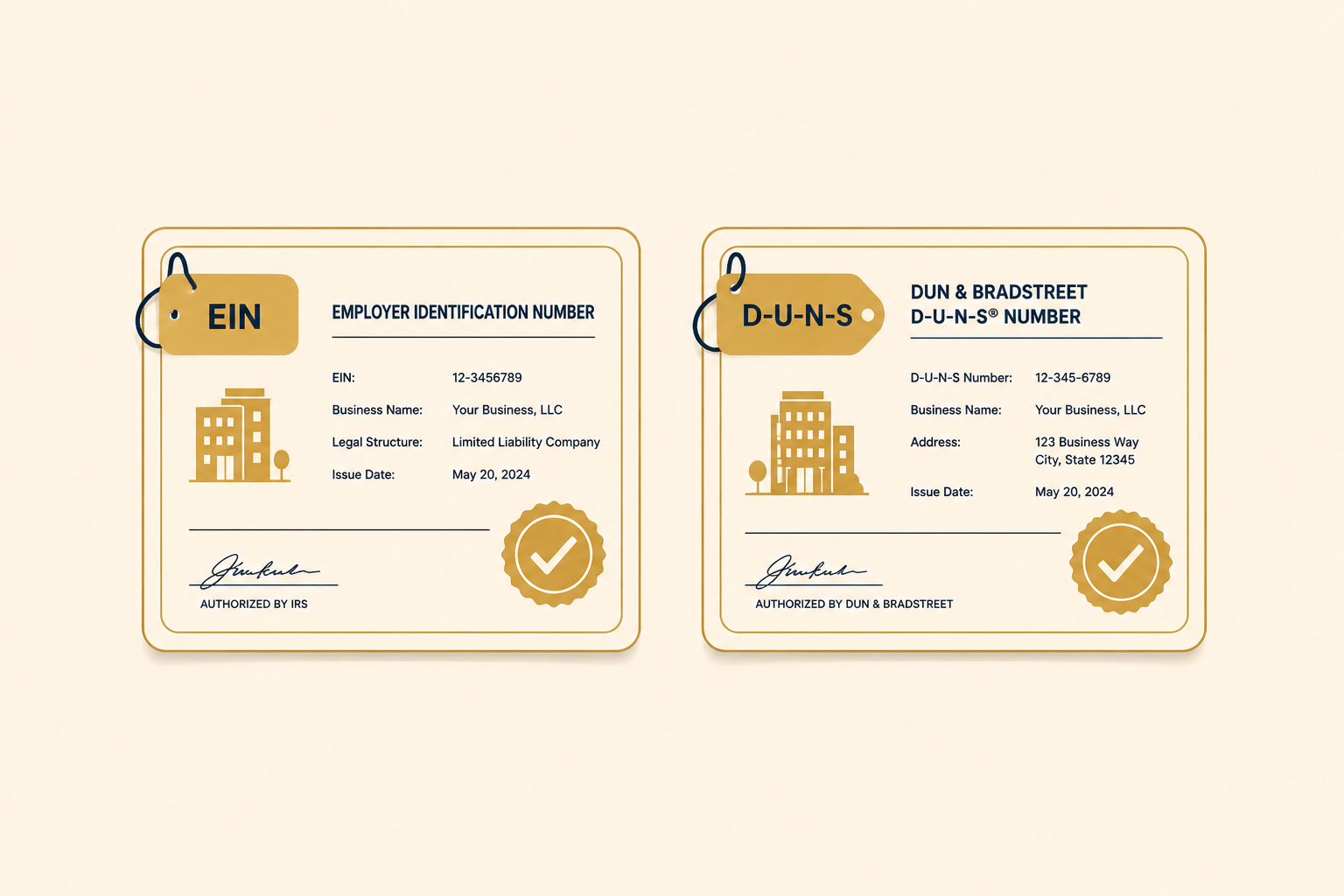
Your Employer Identification Number is your business tax ID. It is issued by the IRS, and most commercial bureaus and lenders use it to identify your business in their systems. If you have already registered your business, you likely have one. If not, you can get it free through the IRS website.
Why Your DUNS Number Is Non-Negotiable
The greatest business credit bureau in the world, Dun & Bradstreet, has given you a unique identification number called your D-U-N-S Number. Without it, you have no profile at D&B and no ability to build a Paydex score — the score many lenders check first when evaluating commercial credit. Registration is free through the D&B website and takes a few business days to process. Do not pay a third party to do something you can do at no cost.
These two numbers are the commercial identity layer your tradelines will attach to. Without both in place, even a perfect payment history may not build correctly.
Step 3: Open Your First Vendor Tradelines
What Makes a Vendor Account Actually Useful
Vendor trade accounts — typically structured as net-30 accounts — are the most accessible starting point for building commercial credit. You make a purchase, receive 30-day payment terms, pay the invoice, and that payment is reported to a commercial bureau as a positive trade experience.
The critical detail most guides leave out: not every vendor reports to commercial bureaus. A net-30 account that does not report is useful for managing cash flow but worthless for credit building. Before opening any account specifically to build credit, ask the vendor directly which bureaus they report to. Proceed if they are unable to provide a clear response.
How Many Accounts and When to Pay
Open two to three vendor accounts and make real, useful purchases on each — office supplies, digital services, or business materials you actually need. Pay every invoice early, not just by the due date.
Most individuals don’t realize how crucial this distinction is. At Dun & Bradstreet, timely payments result in a Paydex score of 80, the lowest level of low risk. You must regularly make early payments if you want to surpass 80. That higher score directly affects which funding programs you qualify for and at what terms.
| Payment Timing | D&B Paydex Score | Lender Perception |
| 30+ days late | Below 50 | High risk — likely denied |
| On time (due date) | 80 | Acceptable — minimum threshold |
| 15 days early | 85–90 | Low risk — stronger applications |
| 30 days early | 95–100 | Excellent — best terms available |
Step 4: Add a Revolving Business Credit Account
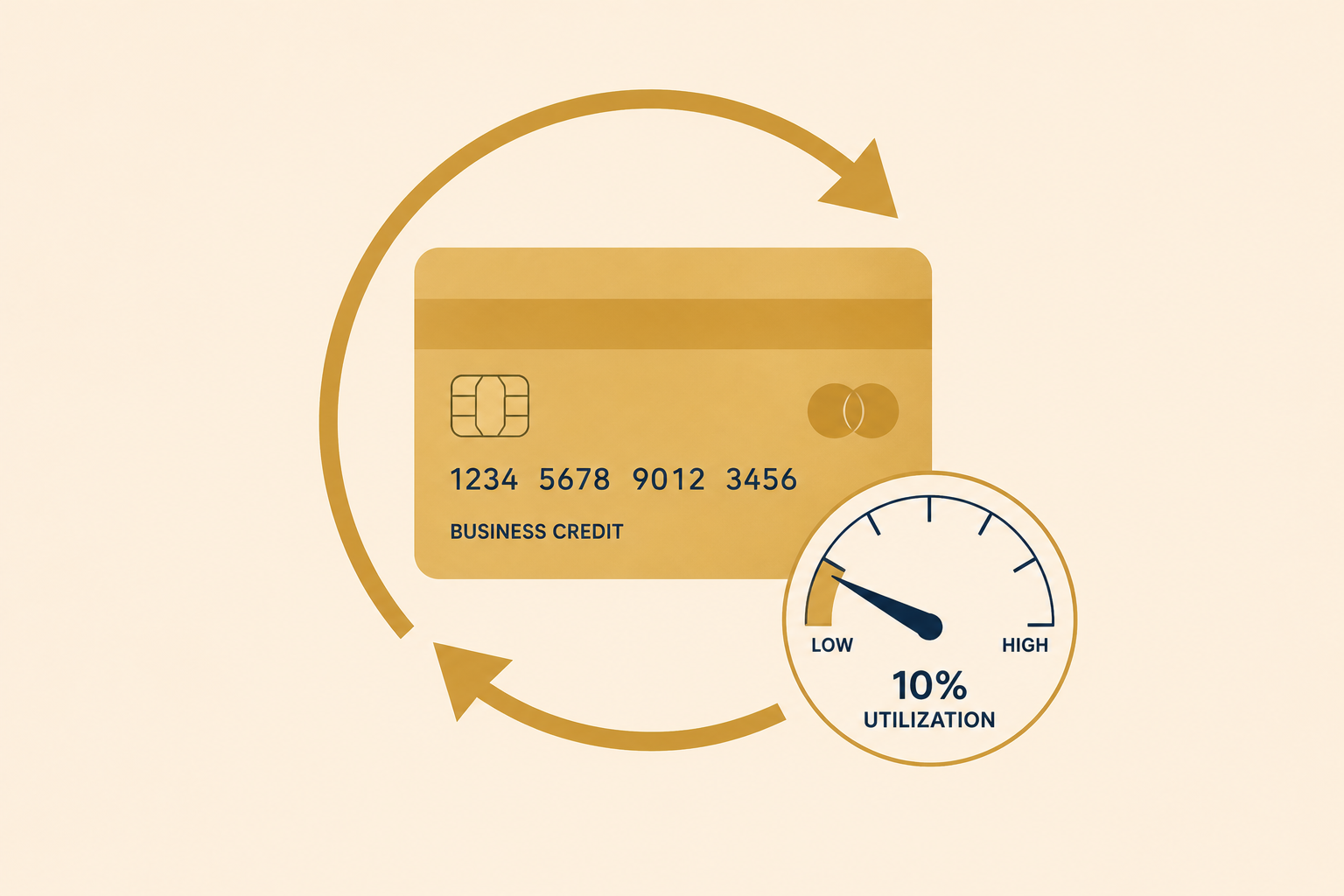
After your vendor accounts have been open for at least 30 to 60 days and are reporting positive payment history, add a revolving account. The most accessible option is a business credit card that reports to commercial bureaus — many major issuers report to Equifax Business, which helps you build presence at a bureau separate from where most vendor accounts report.
Use the card for regular, recurring business expenses — subscriptions, supplies, software. Pay the full statement balance every month without exception. Keep your balance below 30% of your credit limit at all times. High utilization on a revolving business account is one of the most common ways owners undermine months of good payment history. Running a card near its limit signals financial stress to lenders even when the bill is paid in full.
Step 5: Build Consistency — The Step No One Can Skip
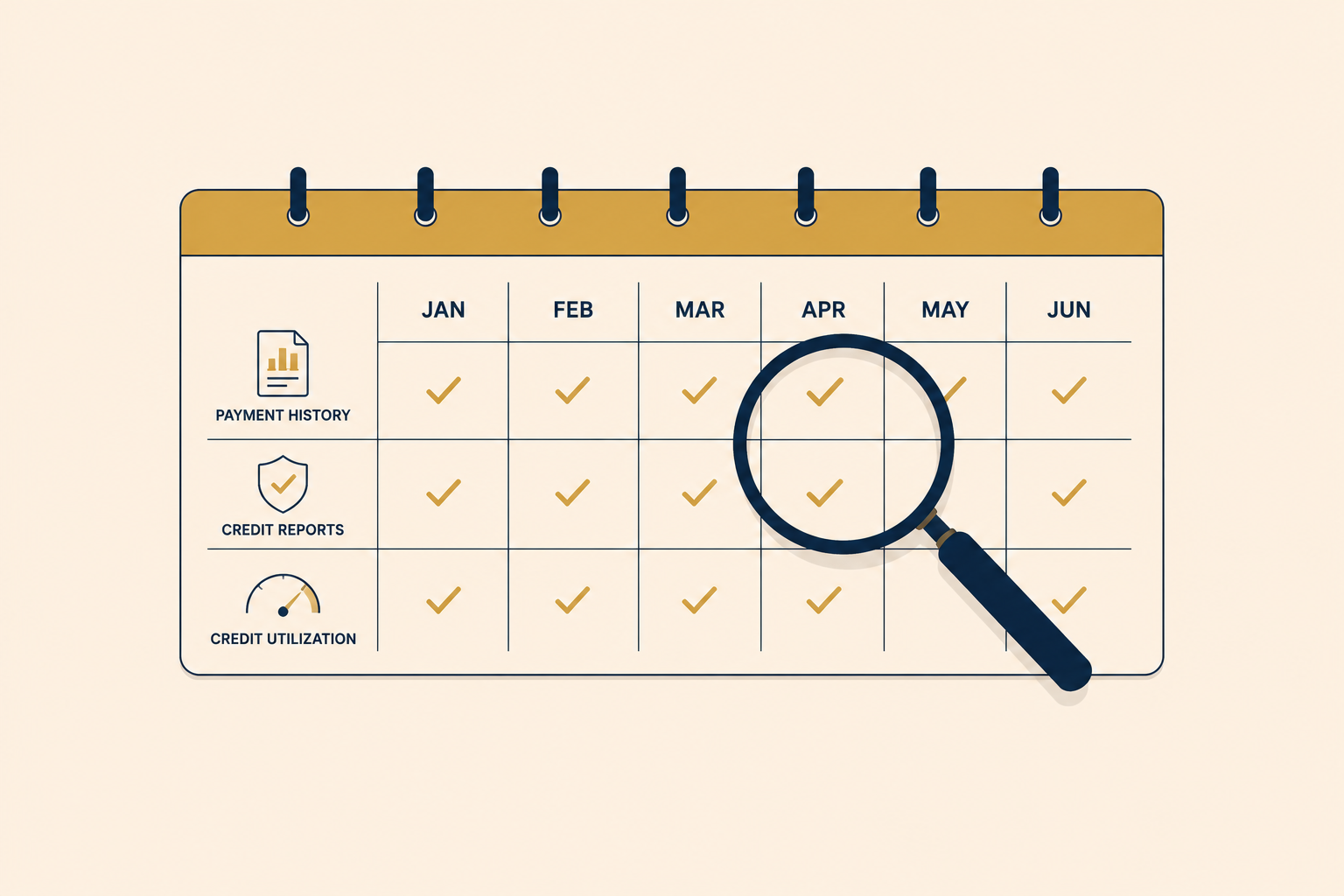
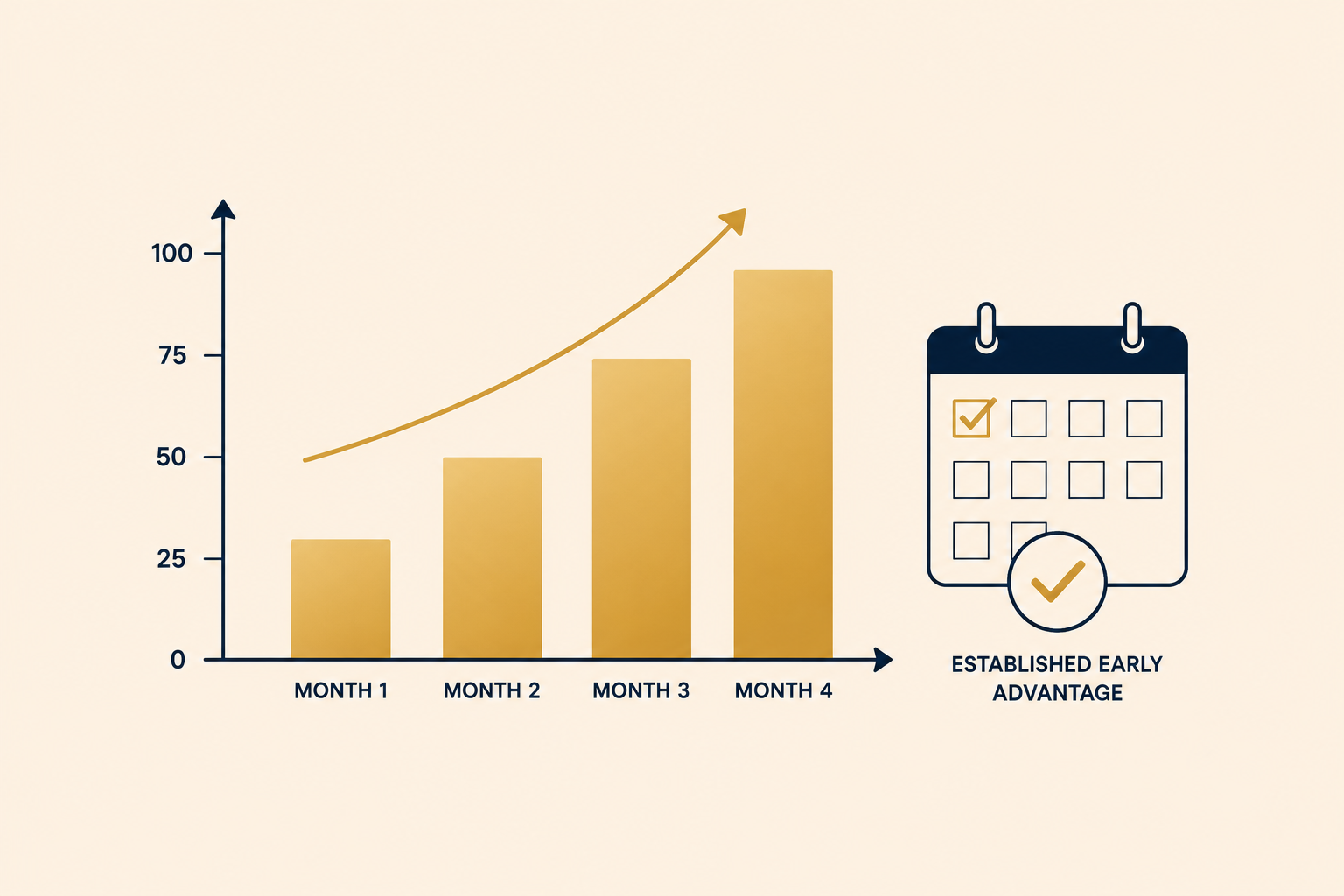
There is no shortcut here. Commercial credit bureaus need time and repeated data points to produce meaningful, lender-trusted scores. Six months of clean payment history across three to five accounts is worth far more to a lender than twelve accounts opened in the same 30-day window.
Review your commercial credit reports every 60 to 90 days. Check that:
- Your payment history is being reported correctly by each vendor and card issuer
- Your business name, address, and phone number are consistent across all bureau records
- No errors or unfamiliar accounts have appeared on your commercial file
Errors on commercial credit reports do happen. Catching one before a lender pulls your report is far better than discovering it during the underwriting process when timing matters.
Step 6: Determine Which Funding Programs You Are Pursuing
Why It’s Bad to Build Without a Goal
It is similar to training for a race without knowing the distance, if you are building business credit without understanding what you are aiming to qualify for. Every funding program has its own documentation standards, time-in-business requirements, and score thresholds. Building toward those specific benchmarks is far more effective than building generally and hoping it is enough.
What Major Programs Actually Require
| Funding Type | Typical Credit Requirement | Time in Business | Notes |
| SBA 7(a) Loan | Personal FICO 650–680+ | 2 years preferred | Most lenders use internal scoring since SBSS sunset in March 2026 |
| Business Line of Credit | Paydex 75+, FICO 650+ | 6–12 months minimum | Bank activity and cash flow reviewed heavily |
| Equipment Financing | Paydex 70+, FICO 650+ | 1 year+ | Asset itself often serves as collateral |
| SBA Microloan | More flexible — FICO 600+ | Startup-friendly | Designed for early-stage businesses |
According to NerdWallet’s 2026 Small Business Loan Study, more than half of approved applicants had personal credit scores of 700 or higher, and the median approved borrower had been in business for seven years. That does not mean newer businesses cannot qualify — one in four approved borrowers had been operating for four years or less — but it does mean the benchmarks are real and worth building toward deliberately.
The Most Common Mistakes That Kill Funding Applications
Mixing personal and business finances:
This is the fastest way to lose the separation lenders need to evaluate your business independently. Every transaction through a shared account makes your commercial file harder to verify.
Choosing vendors that do not report:
You can have ten net-30 accounts and a spotless payment record, and if none of those vendors report to commercial bureaus, your business credit file is still empty.
Applying for too much credit at once:
Multiple new applications in a short window raise flags in bureau algorithms and lender reviews. Open accounts strategically, not aggressively.
Paying on time instead of early:
On-time payment is the floor, not the goal. Consistently early payment is what separates a Paydex of 80 from a Paydex of 90+, and that gap matters when lenders are comparing applications.
How Long Does This Actually Take?
Most businesses can establish a basic commercial credit profile within three to six months of completing the foundational steps — EIN, DUNS number, and first vendor accounts. A score that lenders consider funding-ready typically requires six to twelve months of consistent, on-time payment across multiple accounts.
The timeline shortens when you start early, choose vendors that report promptly, and pay ahead of schedule from day one. It lengthens when you skip the foundation, choose non-reporting vendors, or open too many accounts at once.
FAQs
Q: Do I need good personal credit to build business credit?
Not always — many vendor accounts and secured business cards do not require a personal credit check, making them ideal for business owners with limited or imperfect personal credit history.
Q: How many tradelines do I need before lenders take my profile seriously?
Most lenders want to see at least three to five active, reporting tradelines with six or more months of consistent payment history before treating a commercial file as fundable.
Q: Can I build business credit without an LLC?
Sole proprietors cannot build a truly separate business credit profile — forming an LLC or corporation is the required first step to establishing commercial credit independent from personal credit.
Q: What is the fastest way to get a Paydex score?
Open two reporting vendor accounts, make purchases, and pay each invoice 15 to 30 days early — D&B requires at least two trade experiences to generate an initial Paydex score.
Q: Will applying for business credit hurt my personal credit score?
Most vendor net-30 accounts do not trigger a personal credit inquiry, but business credit cards and loans often do — check with each creditor before applying.
Q: How often should I check my commercial credit reports?
Every 60 to 90 days is a practical schedule — frequent enough to catch errors early, but not so often that monitoring becomes a distraction from actually building the profile.
Final Thought: The Sequence Is the Strategy
Most business owners who struggle to get approved are not rejected because their credit is bad. They are rejected because they skipped a step, built on the wrong foundation, or did not know what threshold the program they were applying for actually required.
If you build business credit step by step in the right order — entity setup, EIN and DUNS, vendor tradelines, revolving accounts, consistency, and a clear funding target — you are not hoping for approval. You are engineering it. Start the sequence today and every step you complete moves your application forward.